News
A trip to Lesvos in May 2022.
29th May 2022
29th May 2022
This is the first time we have been 'Away' since 2019 and it felt good to get a change of scenery. Here is the start of a series of small blogs on various birds from the trip which will be followed by more images in the gallery and eventually a full-on bird report as usual.
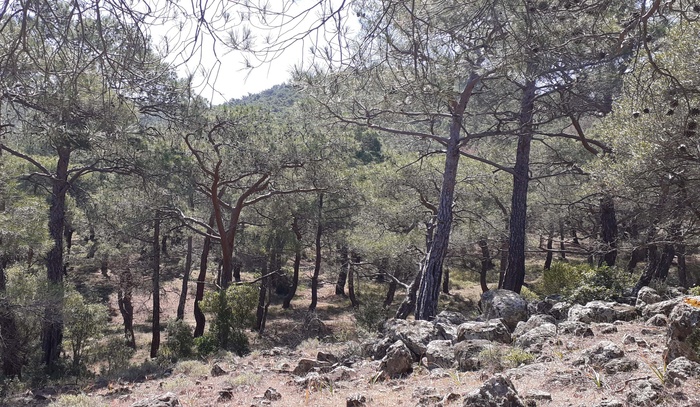
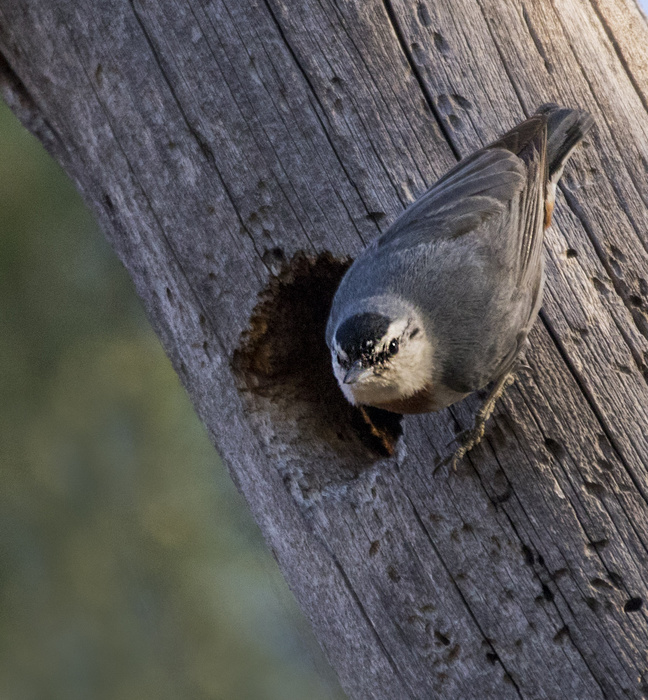
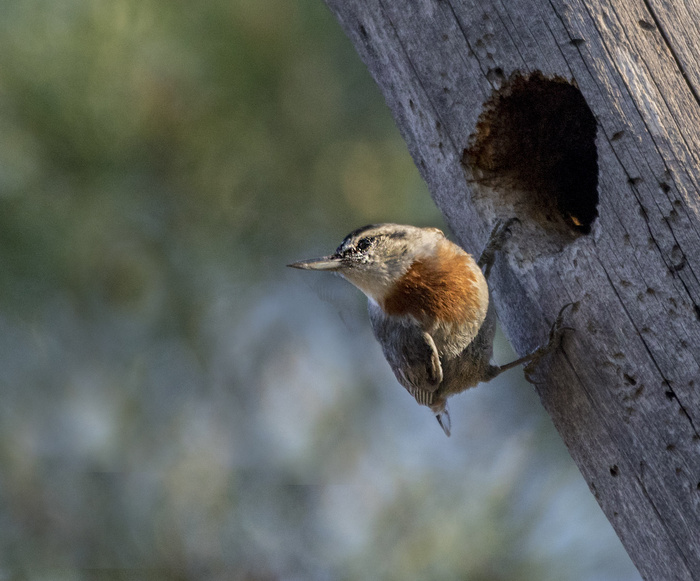
A bird that’s on most birder’s list when they visit Lesvos is Kruper’s Nuthatch. A small typical Nuthatch which on Lesvos as in Turkey breeds in Corsican Pine forests.
These Corsican Pine forests are very dry and difficult places on Lesvos.
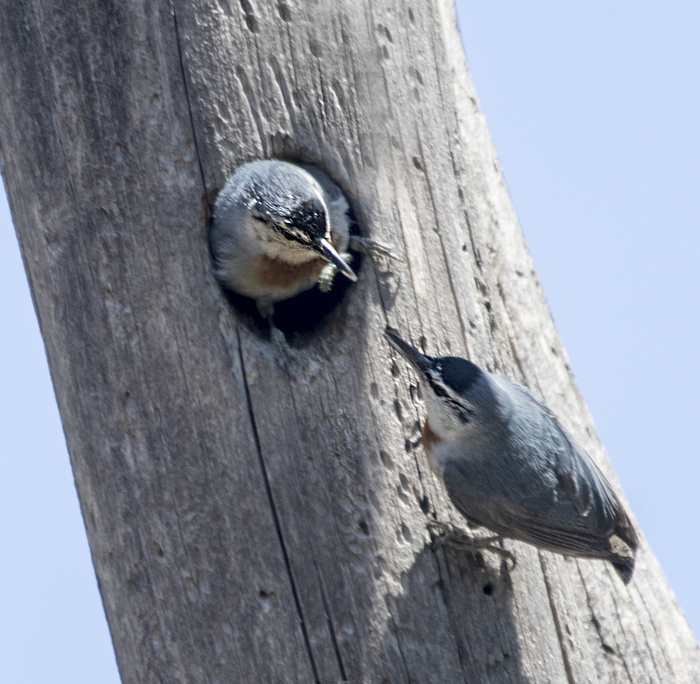
Unless they call or sing, (thankfully with quite a strident voice) Kruper's Nuthatch can be overlooked, however, with a little effort they can be tracked down from late April to mid-May. A pair had been found with a nest not far away from where we were staying so very early one morning we visited the nest site keeping a good distance from their activities, there was typically no one else around that early and we had an hour just watching them come and go feeding some obviously well grown chicks. Everyone who visited the site, as we found out, treated the birds with respect, which is great. I have a few decent shots of Kruper’s from previous visits to the island so the harsh sunlight which was bathing the nest hole was not a problem for me and I took what was on offer without having to return another time in more favourable light.
Getting up early when birding on Lesvos is fundamentally important because of the harsh light which pervades from very early on and also the very hot sun, especially from mid-May onwards - some mornings it was 35 Celsius by 10.00am.
A bird that’s on most birder’s list when they visit Lesvos is Kruper’s Nuthatch. A small typical Nuthatch which on Lesvos as in Turkey breeds in Corsican Pine forests.
These Corsican Pine forests are very dry and difficult places on Lesvos.
Unless they call or sing, (thankfully with quite a strident voice) Kruper's Nuthatch can be overlooked, however, with a little effort they can be tracked down from late April to mid-May. A pair had been found with a nest not far away from where we were staying so very early one morning we visited the nest site keeping a good distance from their activities, there was typically no one else around that early and we had an hour just watching them come and go feeding some obviously well grown chicks. Everyone who visited the site, as we found out, treated the birds with respect, which is great. I have a few decent shots of Kruper’s from previous visits to the island so the harsh sunlight which was bathing the nest hole was not a problem for me and I took what was on offer without having to return another time in more favourable light.
Getting up early when birding on Lesvos is fundamentally important because of the harsh light which pervades from very early on and also the very hot sun, especially from mid-May onwards - some mornings it was 35 Celsius by 10.00am.
Wood Warblers.
29th May 2022
29th May 2022
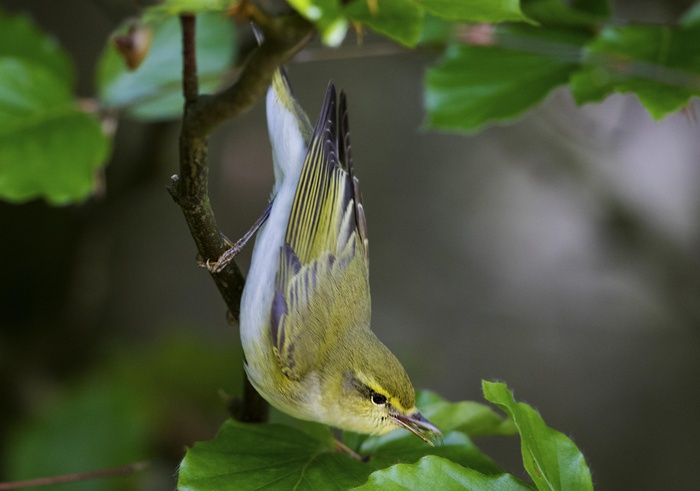
Out walking again on a glorious morning on a local hillside and straight away I could hear the characteristic spinning coin song of the Wood Warbler. These delightful little birds favour light airy woodlands and they can be heard and seen in the Brecon Beacons from April. They look pristine with their pure white and lemon plumage and they brighten up any morning. I waited for some time watching them flitting around and managed to get a few quick shots because they don’t stay still for long. It was worth the wait just to hear them singing and calling to each other.
Common Redstart
27th May 2022
27th May 2022
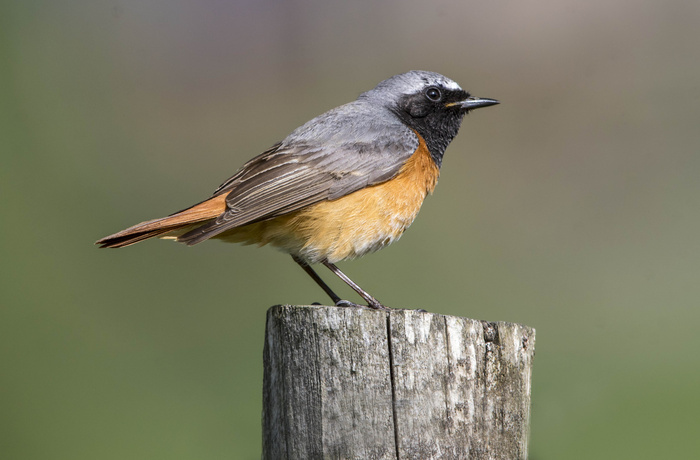
We've just returned home from two weeks on the Greek Island of Lesvos and after eventually getting everything back to somewhere near normal I ventured out this morning. I went for a small drive around the area and must admit to feeling really cold, it's a bit of thermal shock I suppose coming from 37 to 17 Celsius. However, it's back to normal now and as I was parked by a line of fence posts a lovely Common Redstart came to see who I was and very smart he is to!
Spring
01st May 2022
01st May 2022
Three of our common ‘spring’ migrants singing around the woods near our house. Really difficult to get some short videos because these little singers rarely keep still for long.
https://youtu.be/AHuNPbslzZQ
https://youtu.be/mbIhBJ0ELCg
https://youtube.com/shorts/2Q-C_6GWgXw
We have heard some distant Cuckoos this week so once the weather warms a bit I will see if I can get nearer to one. It’s not easy but it’s great to see them even if you can’t get a photo. There have been a few Ring Ouzels reported and Susan and I saw one a few days ago, although again they are very difficult to photograph. There is an outside chance of a Dotterel this week on the local mountain tops, but finding these lovely birds is very much hit and miss in such a large area. While walking one of the local hills last week we saw a male Merlin flash by, this is always a treat because they are so elusive. Lower down there are some butterflies on the wing – Orange Tip, Common Blue, Comma and Peacock and hopefully the warmer weather forecasted from Africa later this week will encourage even more to fly. I always look forward to the month of May, it’s my favourite time with hopefully good weather combined with increasing wildlife, we’ll see.
Looking for Crossbills in a local Pine Wood.
31st January 2022
31st January 2022
Last week I met up with a couple of friends with the intention of photographing some Common Crossbills. These little birds are not easy to get an image of because they spend most of their time up high in conifer trees and also they like to roam around the plantations looking for food and this makes them doubly difficult to photograph. Sometimes a birder can be lucky and see them coming down to water to drink as they have to drink often because of their diet of pine seeds.
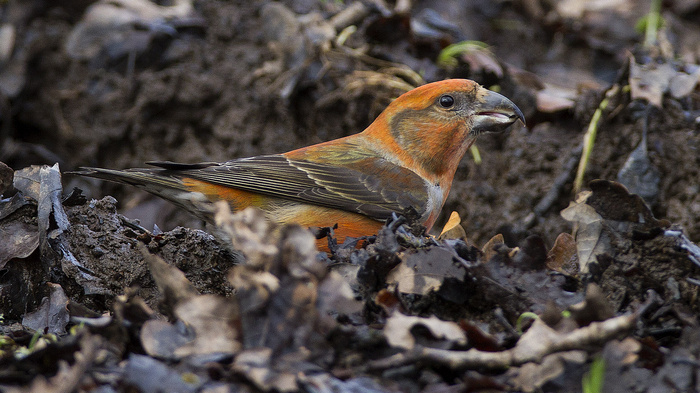
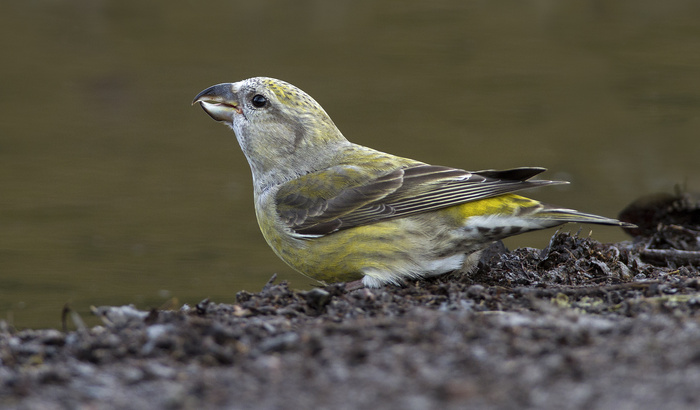
However, this is difficult and luck is almost always involved. We all met up mid-morning in a local plantation on a horrible grey and misty morning but things were predicted to improve so we sat tight for an hour or so and the weather duly obliged.
My two friends have made the transfer from DSLR’s to Canon ‘mirrorless’ cameras, both now using the impressive R5 models. These new cameras with their much improved view finders, high megapixel full frame sensors with a 1.6 crop mode option, high ISO capabilities and advanced auto focussing systems are a quantum leap forward in technology, making me feel like a bit of a dinosaur still relying on my trusty Canon 7D Mk 2 DSLR. Having said that I’m not one to rush into things, but I accept that the time is coming fast when I will have to go ‘mirrorless’, to quote commonly used parlance.
I am, however, very reluctant to part with my Canon EF600 f4 is Mk 2 lens because of the awesome image quality and beautiful bokeh it creates. My one friend was using the 500 version of this lens – also a great performer and the other has switched to the much vaunted Canon 100-500 zoom, all these lenses having their different merits.
Tech talk aside there is one thing that alerts a birder to Crossbills and that is their sharp ‘Chip Chip’ contact call as they fly over the tree tops and as the morning progressed we were alerted to some birds in the top of some spruce trees. Typically they were high up but you have to deal with it so we manoeuvred ourselves into the best positions possible to get some shots. The birds put on a good display and they were also singing as well as calling which you don’t hear all that often. Because the birds were sometimes against a bright white sky (which is probably the worst scenario for exposure) I deliberately drastically under exposed by shooting at 3000/sec. This made the negatives really dark but I knew from experience of shooting in raw that the details would still be there and recoverable in post processing. Using these shutter speeds also took the glare from the light off the pine needles which can look really over exposed in this type of light. I always try and use high shutter speeds or really small apertures and 'RAW' recovery of negatives to off set difficult lighting situations rather than use e.g. high ISO ratings.
Thankfully we all managed some shots of these awkward little birds and later after a cup of coffee, a bite to eat and a catch up we went our separate ways promising to get together in the spring for another day out.
I was pleased that I was able to get a few reasonable images from these challenging conditions.
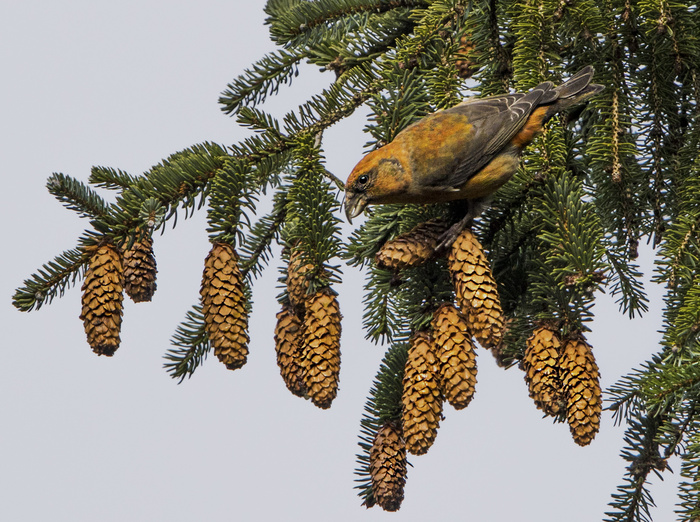
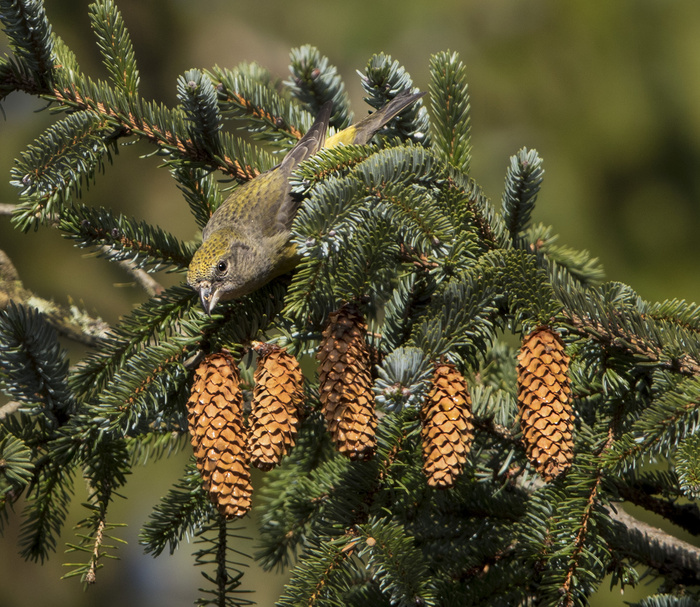
For more. Please see Latest Images, Crossbills
However, this is difficult and luck is almost always involved. We all met up mid-morning in a local plantation on a horrible grey and misty morning but things were predicted to improve so we sat tight for an hour or so and the weather duly obliged.
My two friends have made the transfer from DSLR’s to Canon ‘mirrorless’ cameras, both now using the impressive R5 models. These new cameras with their much improved view finders, high megapixel full frame sensors with a 1.6 crop mode option, high ISO capabilities and advanced auto focussing systems are a quantum leap forward in technology, making me feel like a bit of a dinosaur still relying on my trusty Canon 7D Mk 2 DSLR. Having said that I’m not one to rush into things, but I accept that the time is coming fast when I will have to go ‘mirrorless’, to quote commonly used parlance.
I am, however, very reluctant to part with my Canon EF600 f4 is Mk 2 lens because of the awesome image quality and beautiful bokeh it creates. My one friend was using the 500 version of this lens – also a great performer and the other has switched to the much vaunted Canon 100-500 zoom, all these lenses having their different merits.
Tech talk aside there is one thing that alerts a birder to Crossbills and that is their sharp ‘Chip Chip’ contact call as they fly over the tree tops and as the morning progressed we were alerted to some birds in the top of some spruce trees. Typically they were high up but you have to deal with it so we manoeuvred ourselves into the best positions possible to get some shots. The birds put on a good display and they were also singing as well as calling which you don’t hear all that often. Because the birds were sometimes against a bright white sky (which is probably the worst scenario for exposure) I deliberately drastically under exposed by shooting at 3000/sec. This made the negatives really dark but I knew from experience of shooting in raw that the details would still be there and recoverable in post processing. Using these shutter speeds also took the glare from the light off the pine needles which can look really over exposed in this type of light. I always try and use high shutter speeds or really small apertures and 'RAW' recovery of negatives to off set difficult lighting situations rather than use e.g. high ISO ratings.
Thankfully we all managed some shots of these awkward little birds and later after a cup of coffee, a bite to eat and a catch up we went our separate ways promising to get together in the spring for another day out.
I was pleased that I was able to get a few reasonable images from these challenging conditions.
For more. Please see Latest Images, Crossbills
Stump Puffballs.
19th January 2022
19th January 2022
Things are a little quiet on the wildlife front at the moment but at least the weather has improved, with clear days and frosty nights, which is infinitely preferable to the dull overcast drizzly days of a couple of weeks ago. This week Susan and I were walking up a little enclosed path near to where we live in the hope of finding a few fungi. Last year the Jelly or Wood Ear fungi was abundant but this year it’s very scarce. Similarly with the Holly Parachute fungi although that is never abundant. We did come across some Stump Puffballs which looked ready to disperse their spores, and indeed by just touching them a small cloud of spores shot out.
This gave me an idea for a short video and the following day I took some kit up to try and capture this spore dispersion on video. Surprisingly it had rained heavily the previous night and the holly hedge above the puffballs was soaking wet, the leaves holding quite a bit of water.
I set my Canon 5D Mk IV up with a 100mm f2.8 macro lens on a tripod quite low down, just about level with the puffballs and manually focussed on the scene. I gently shook the Holly hedge and as I suspected water droplets fell on to the puffballs expelling their spores. After all this is what happens in nature when it rains or when a bird comes into contact with fungi for instance.
I set the cameras video format to 120 FPS and tried to capture the scene in slow motion.
Please see video below and also in the video tab on the front page of this site.
https://youtu.be/0CNf9RhJ9cI
Mini Twitch for Penduline Tits.
07th January 2022
07th January 2022
After a pleasant festive period - despite the horrible weather, it’s back down to earth so to speak. Everywhere is totally sodden after what seemed an interminable period of grey skies and rain. The land is soft and very muddy with pools of lying water making walking very unpleasant. The small ‘B’ roads are also a mess with run off from the muddy fields. However, you have to plough on and make the best of it, so having seen reports of three Penduline Tits in Somerset Susan and I decided to go for a little ‘Twitch’ to try and get them. We don’t twitch much these days but the odd one is still a nice fun day out. The birds had been seen in Weston Super Mare which is about eighty miles from where we live, about ninety minutes away and easily accessible by main roads. The weather forecast was reasonable for Wednesday so we packed the kit in the car the night before and left early. The weather, contrary to the forecast was awful when we left – mist and heavy rain. However, as we travelled towards Raglan on the A40 it cleared to a lovely sunrise.
Arriving on time we found our way to the old disused ‘Weston Airfield’ where the birds were reportedly being seen. As we made our way to some extensive reedbeds there were a small number of birders present and the birds were indeed showing, but just as we arrived they flew off high and wide. This is what happens sometimes but we’ve learned over the years not to panic because birds like these tend to return to the best feeding area sooner or later. Some of the birders went further up the track to look for them but we stayed put because there was a good number of reedmace heads there and that is their favourite food in winter.
It was bitingly cold with a nasty wind blowing continuously and we had to endure this for a good hour. Finally we could see the birds making their way back to their previous feeding area and you can tell where they are by the amount of mace blowing about in the wind as they strip the plant to look for the seeds inside.
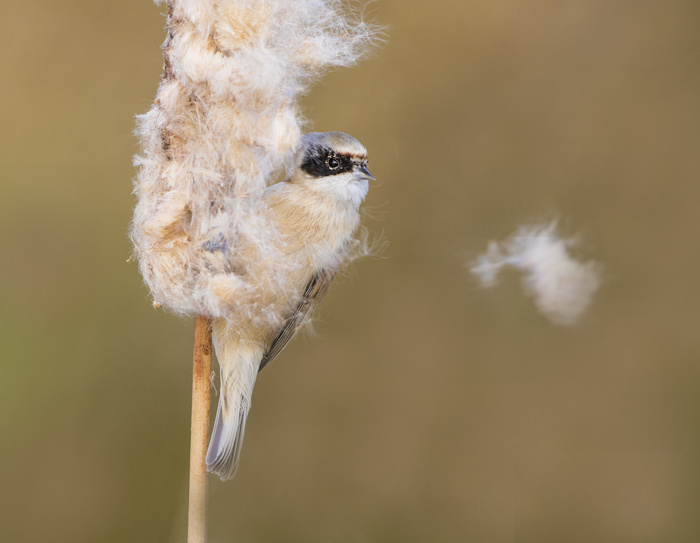
I then signalled to the birders further up the track and they made a hasty return.
Fortunately Penduline Tits are not too shy, within reason, and we were able to get some great views of these lovely charismatic little birds. They have always been difficult to see in the UK and in years gone by in order to have a reasonable chance of seeing them birders would have had to travel to the south east of England. However, this is a bird that should start to be seen further north as their breeding range is expanding because of climate change. We have seen them at their nest sites on the near continent, but only sporadically in the winter in the UK.
The males have a more extensive black mask than the females and are also more rufous coloured.
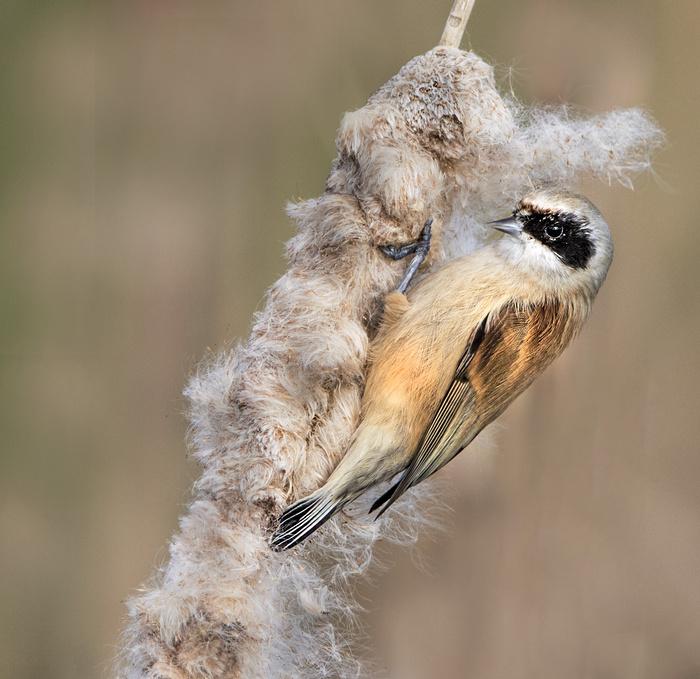
Three birds performed in front of us for about an hour affording great views of their behaviour and also allowing me to take a few decent shots.
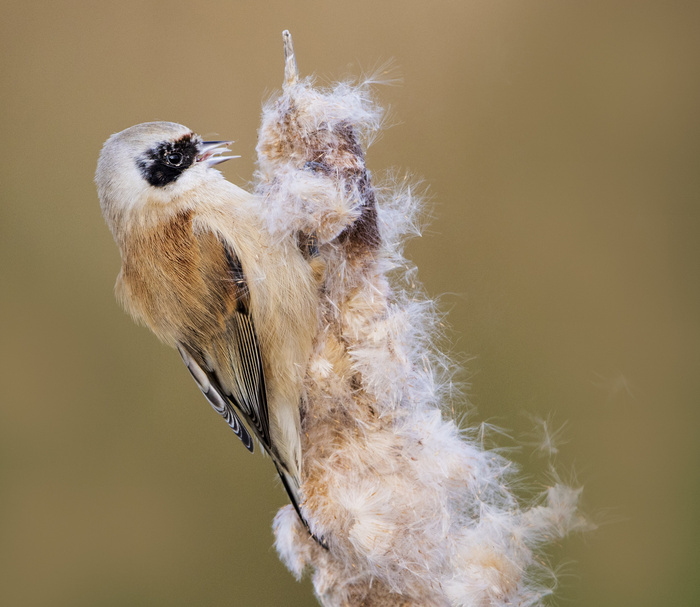
The only downside was the nagging bitter wind which at times was blowing the reeds like windscreen wipers, but this was a small price to pay.
After some hot coffee and a sandwich in the car we left contented and in plenty of time to get back home before the M5 rush hour started – a good day out!
Please click link below for some short video footage of these lovely birds.
https://youtu.be/Np4baGcS_1I
For more please see 'Latest Images' Penduline Tits Portfolio on the front page of this site.
Arriving on time we found our way to the old disused ‘Weston Airfield’ where the birds were reportedly being seen. As we made our way to some extensive reedbeds there were a small number of birders present and the birds were indeed showing, but just as we arrived they flew off high and wide. This is what happens sometimes but we’ve learned over the years not to panic because birds like these tend to return to the best feeding area sooner or later. Some of the birders went further up the track to look for them but we stayed put because there was a good number of reedmace heads there and that is their favourite food in winter.
It was bitingly cold with a nasty wind blowing continuously and we had to endure this for a good hour. Finally we could see the birds making their way back to their previous feeding area and you can tell where they are by the amount of mace blowing about in the wind as they strip the plant to look for the seeds inside.
I then signalled to the birders further up the track and they made a hasty return.
Fortunately Penduline Tits are not too shy, within reason, and we were able to get some great views of these lovely charismatic little birds. They have always been difficult to see in the UK and in years gone by in order to have a reasonable chance of seeing them birders would have had to travel to the south east of England. However, this is a bird that should start to be seen further north as their breeding range is expanding because of climate change. We have seen them at their nest sites on the near continent, but only sporadically in the winter in the UK.
The males have a more extensive black mask than the females and are also more rufous coloured.
Three birds performed in front of us for about an hour affording great views of their behaviour and also allowing me to take a few decent shots.
The only downside was the nagging bitter wind which at times was blowing the reeds like windscreen wipers, but this was a small price to pay.
After some hot coffee and a sandwich in the car we left contented and in plenty of time to get back home before the M5 rush hour started – a good day out!
Please click link below for some short video footage of these lovely birds.
https://youtu.be/Np4baGcS_1I
For more please see 'Latest Images' Penduline Tits Portfolio on the front page of this site.
Photoshop Fun and a Happy Xmas.
11th December 2021
11th December 2021
Things have been quiet on the bird front of late and now we are in the darkest time of the year in more sense than one. The threat of further restrictions, although depressing, is a very real possibility. I’m afraid if the current situation escalates the wrong way then the government will have to make a very stark choice, one of allowing thousands of people to die or to collapse the economy. I’m glad I don’t have to make that decision!
On a lighter note Susan and I have been getting ready for Christmas, doing what shopping we have to and buying presents for family. We have prepared the garden for winter, doing essential pruning of shrubs and fruit trees etc. The grass has had its last cut and all the tools have been oiled and greased and put away. The two Ash trees in the garden have now dropped all their leaves and in the winter they will have a few branches lopped off in the interests of safety. This will be done by a professional because it’s just too dangerous for me to climb trees using a chainsaw because it’s very easy to have a bad accident. I use chainsaws regularly to cut up wood and prune low level branches but these branches on trees which look small from ground level are always much bigger and heavier when you are thirty feet in the air.
With regard to photography, I was looking through some mushroom images a few days ago and thought I could see some potential for a bit of digital manipulation. As I have mentioned in a previous blog on this subject, the Photoshop work for these images is fairly straightforward with some practice. The difficulty is finding suitable situations in terms of backgrounds and the images themselves. With this in mind I walked through a local wood and took a few shots of backgrounds – nothing special because they will be blurred out anyway.
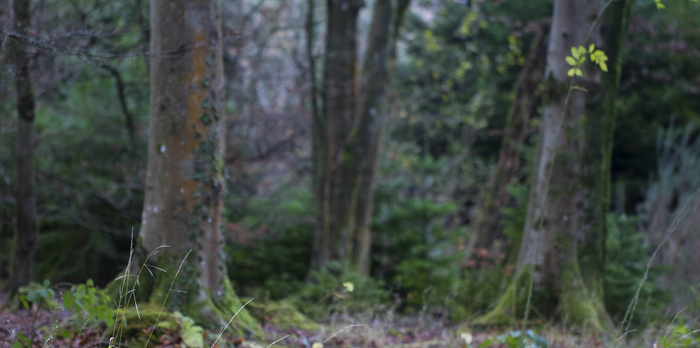
However, they must have the right perspective to suit the final image.
I started with the Fly Agaric mushrooms, removing the small one at the front because it didn’t fit the situation.
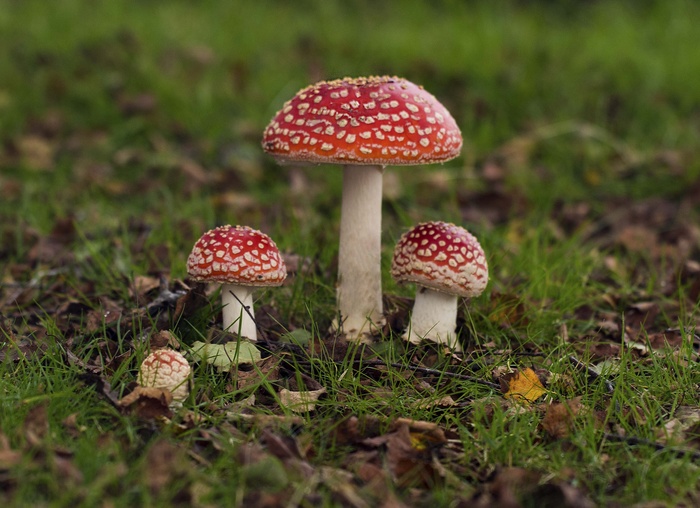
These Fly Agarics are suitable for a Christmas image because of their colour. I then selected the above background and placed it behind the mushrooms and blurred it out using the Gaussian Blur tool.
It is possible to manoeuvre the background around to find the best position and adjust colour / contrast etc before blurring. Once this was achieved I blended an image of Santa between the mushrooms, a fairy with a few stars and some fairy dust added by me and two small Owls on the top of the mushroom. Again the original image has to be suitable for making these additions.
Then there are a few intricate steps to follow using ‘Light Painting’ in Photoshop to make the mushrooms glow and give the impression of light shining on the grass, Santa and also around the immediate area. The background remains diffused and very dim to give a complimentary effect to the general light on the main subjects.
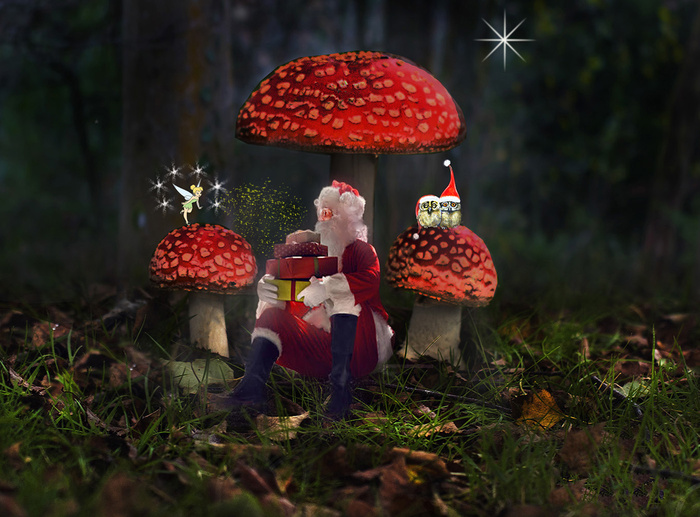
Another image I found of a Porcini mushroom which I thought might be suitable for a bit of manipulation.
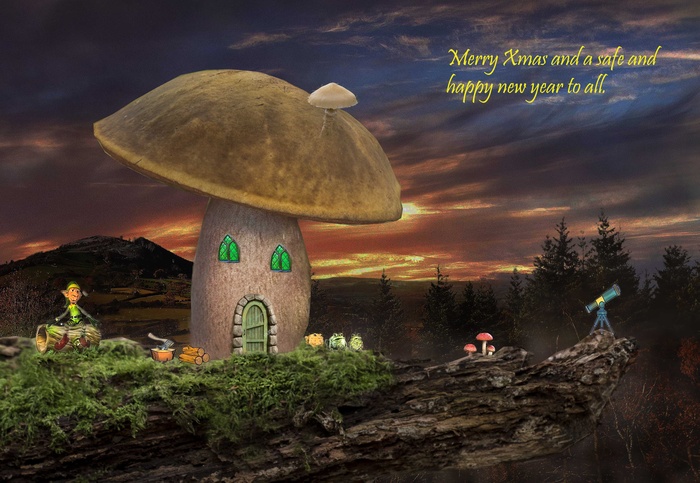
Just a bit of 'Light' relief amidst the dark evenings.
Finally I’d like to wish a happy Xmas and a wildlife - filled New Year to everyone who reads this blog.
Thank you all.
On a lighter note Susan and I have been getting ready for Christmas, doing what shopping we have to and buying presents for family. We have prepared the garden for winter, doing essential pruning of shrubs and fruit trees etc. The grass has had its last cut and all the tools have been oiled and greased and put away. The two Ash trees in the garden have now dropped all their leaves and in the winter they will have a few branches lopped off in the interests of safety. This will be done by a professional because it’s just too dangerous for me to climb trees using a chainsaw because it’s very easy to have a bad accident. I use chainsaws regularly to cut up wood and prune low level branches but these branches on trees which look small from ground level are always much bigger and heavier when you are thirty feet in the air.
With regard to photography, I was looking through some mushroom images a few days ago and thought I could see some potential for a bit of digital manipulation. As I have mentioned in a previous blog on this subject, the Photoshop work for these images is fairly straightforward with some practice. The difficulty is finding suitable situations in terms of backgrounds and the images themselves. With this in mind I walked through a local wood and took a few shots of backgrounds – nothing special because they will be blurred out anyway.
However, they must have the right perspective to suit the final image.
I started with the Fly Agaric mushrooms, removing the small one at the front because it didn’t fit the situation.
These Fly Agarics are suitable for a Christmas image because of their colour. I then selected the above background and placed it behind the mushrooms and blurred it out using the Gaussian Blur tool.
It is possible to manoeuvre the background around to find the best position and adjust colour / contrast etc before blurring. Once this was achieved I blended an image of Santa between the mushrooms, a fairy with a few stars and some fairy dust added by me and two small Owls on the top of the mushroom. Again the original image has to be suitable for making these additions.
Then there are a few intricate steps to follow using ‘Light Painting’ in Photoshop to make the mushrooms glow and give the impression of light shining on the grass, Santa and also around the immediate area. The background remains diffused and very dim to give a complimentary effect to the general light on the main subjects.
Another image I found of a Porcini mushroom which I thought might be suitable for a bit of manipulation.
Just a bit of 'Light' relief amidst the dark evenings.
Finally I’d like to wish a happy Xmas and a wildlife - filled New Year to everyone who reads this blog.
Thank you all.
The 'Magic' of Certain Mushrooms.
25th November 2021
25th November 2021
The Liberty Cap or Psilocybe semilanceata to use its scientific name is a mushroom that grows in suitable habitats in northern Europe and the Pacific Northwest of the USA.
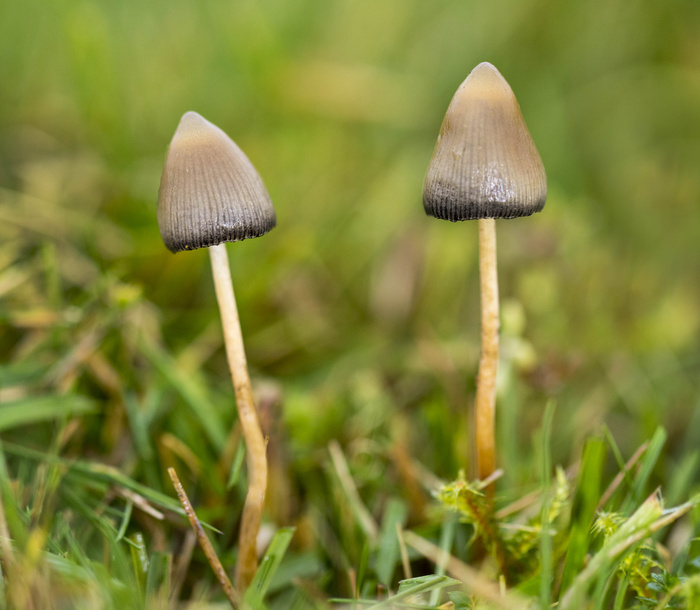
The psychoactive effects of this mushroom have been known for a couple of hundred years but the compounds that were responsible for these effects were only identified in scientific terms in 1958 by the Swiss scientist Albert Hoffman who also more famously synthesised LSD.
It is also known as a ‘Magic Mushroom’ because it contains this psychoactive compound, Psilocybin. This term originates from the ‘Hippie’ days of the 1970’s when these mushrooms were picked and eaten after drying, the resultant feelings of contentment, social happiness and even euphoria made them very popular. In addition there was the added bonus of hallucinations and a general detachment from reality that you could experience - if you like that sort of thing! However, (as a serious warning), some people endured a bad experience after consuming them, irregular breathing and heartbeat, psychotic states, seizures, increased blood pressure and temporary vision impairment. I suppose you never know what effects these psychoactive compounds will have on you until after you consume them – the experience for each individual is very unpredictable.
Up until 2005 before the law was changed it was legal to pick these mushrooms but illegal to possess them after they were dried or ‘prepared’ - this was on the assumption that if you possessed the dried and prepared mushrooms then you intended to use or supply them for recreational drug use – which was illegal. The law in 2005 was extrapolated to include ‘fresh Liberty Caps’ so from then it was and still is illegal to possess these mushrooms in any form and they now fall under the UK Class A drug category, alongside the more infamous, Cocaine, Heroin and LSD etc. For a lengthy psychedelic experience that can last between three and six hours, the average adult only needs a moderate amount, between 1 and 2.5 grams – just a few of these little mushrooms. Over the last two weeks Susan and I have seen quite large amounts during our photographic endeavours. However, unless looked for they remain discreetly hidden in their grassy environment and on reflection that is probably the safest place for them.
Finally I must add a very serious caveat – (never pick and eat any mushroom or plant unless you are one hundred percent sure of its identity).
Flat on the floor photography.
24th November 2021
24th November 2021
I’ve spent the last couple of weeks lying on the ground photographing fungi, sometimes in a Beech wood and others on open unimproved grassland. It’s quite remarkable the varieties Susan and I have seen. Although we are fledgling fungi finders – (phew, that’s a mouthful), we are enjoying identifying new species very much. However, photographing these fungi is no easy task – not only do you have to carry your photographic kit around but you also have to carry something to kneel and lie on, otherwise you will get quite wet and become covered in mud or worse! In addition lying down and getting back up dozens of times, sometimes from very awkward positions, is tiring. Fungi grow in difficult situations, sometimes where the lighting is poor and others where it is in amongst foliage obstructing your view. A good scissors is very handy for clipping grasses and leaves as is a small LED light on a mini tripod for filling in shadows and general lighting. Ultimately I really couldn’t manage to get any decent images without my Yongnuo twin macro flash, (see review), it is invaluable for this type of photography.
In addition accidental spotting of wildlife has become a bonus - yesterday we flushed two Common Snipe literally from under our feet in a damp grassy area and last week we similarly flushed a Woodcock in a Beech wood.
However, not all fungi are welcome, particularly in your garden and about a month ago we found some Honey Fungus growing on an old stump of a shrub we had cut down.
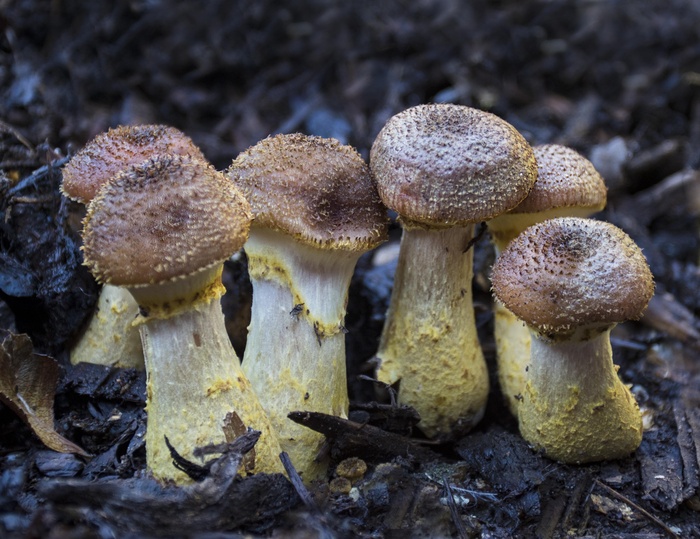
This fungus is bad news for anybody’s garden because it can spread to other trees and shrubs very quickly. We removed it quickly and burnt it because it’s no good just pulling it up and composting it e.g. because it can still release spores and proliferate. Sometimes this removal can be too late because underground the fungus may have already begun to spread to other plants, we will have to see, I hope not!!
This week, however, the first ground frosts have begun and that has been the end of many of the autumn fungi. If we get a mild spell again some more will appear but for now we will have to wait and see.
Below are a small selection of fungi we have seen and photographed.
Raspberry Slime Mould.
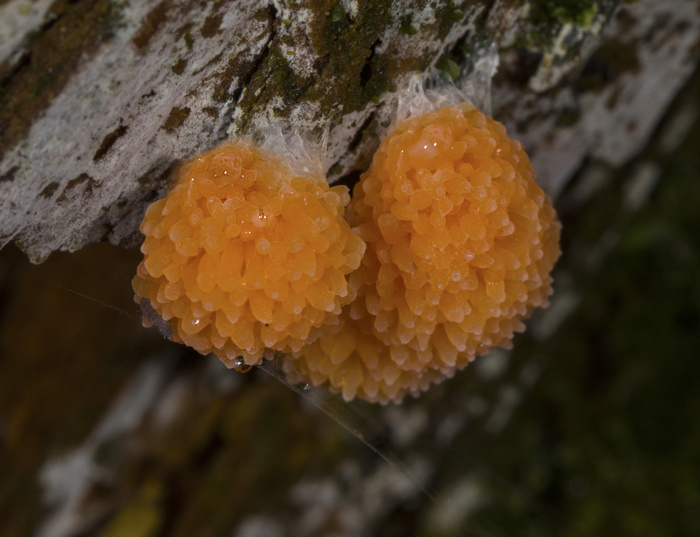
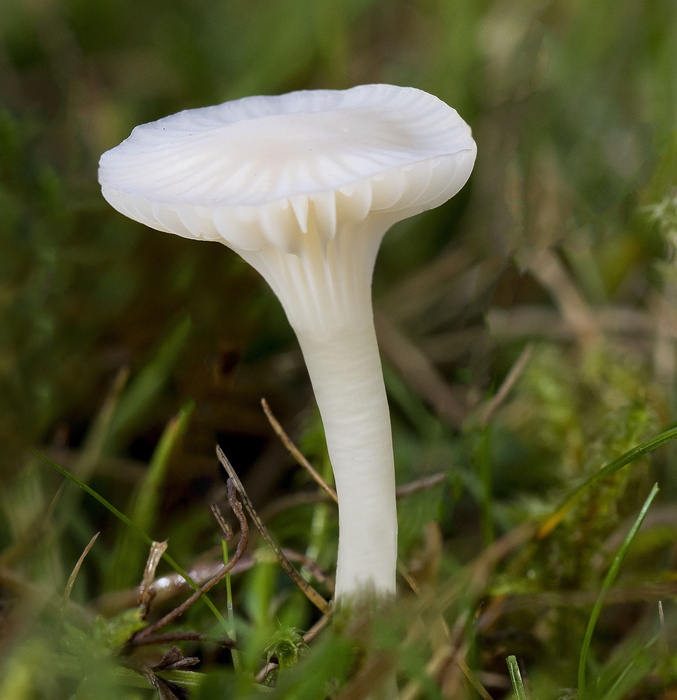
Snowy Waxcap
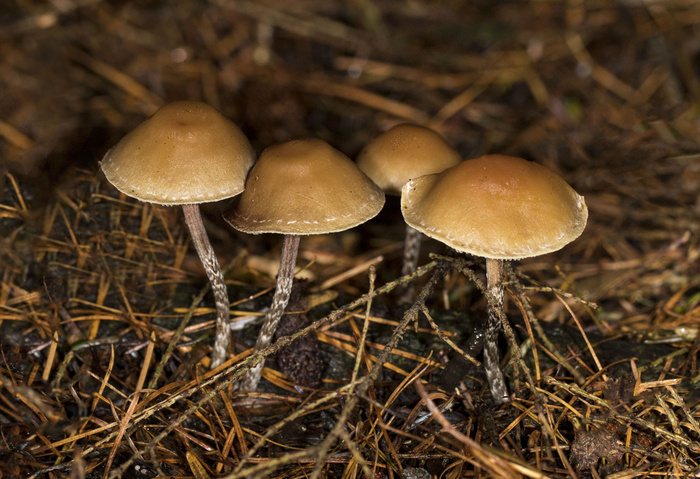
Snakeskin Brownie
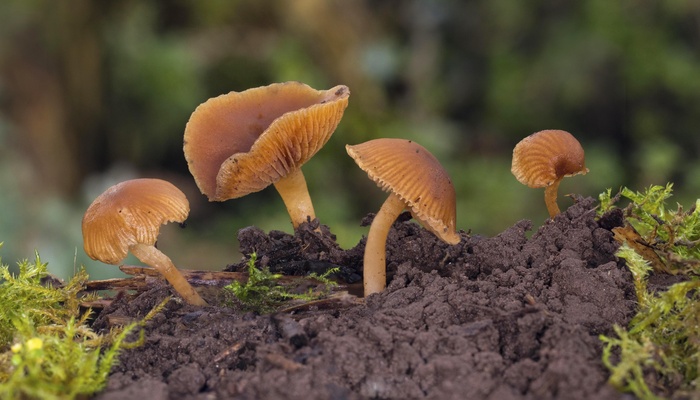
Scurfy Twiglet
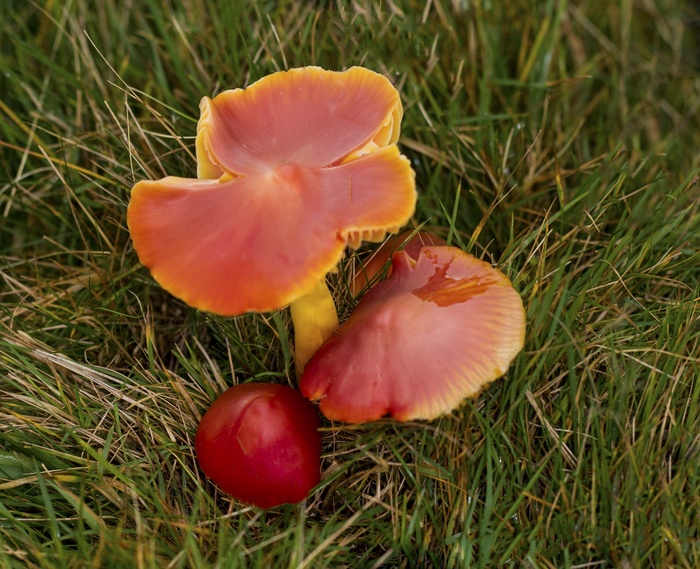
Scarlet Waxcap
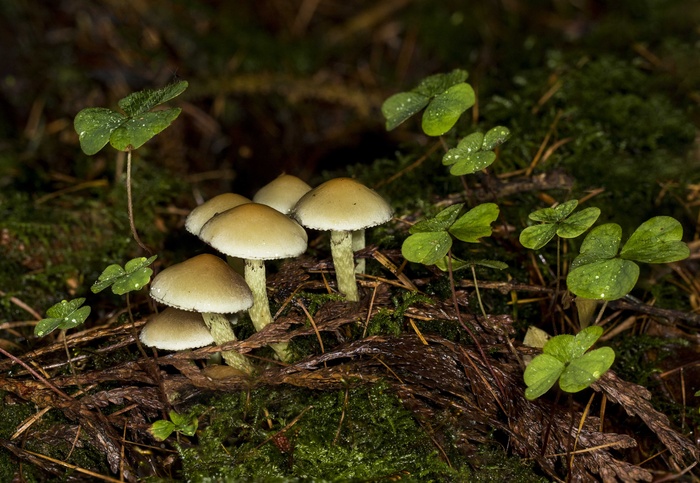
Sulphus Tuft amongst Wood Sorrel
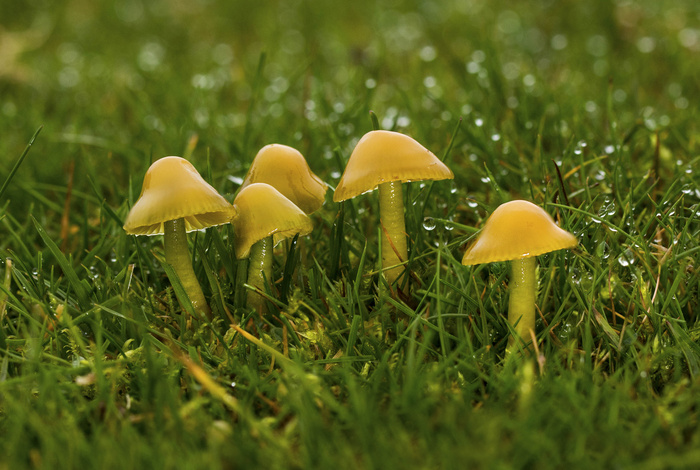
Parrot Waxcap
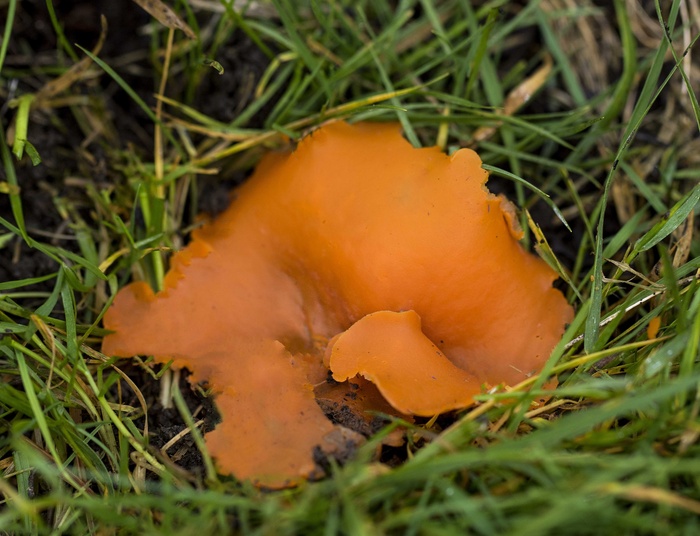
Orange Peel Fungus
Milking Bonnet
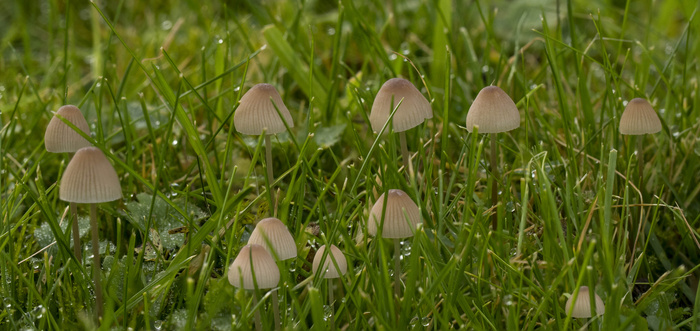
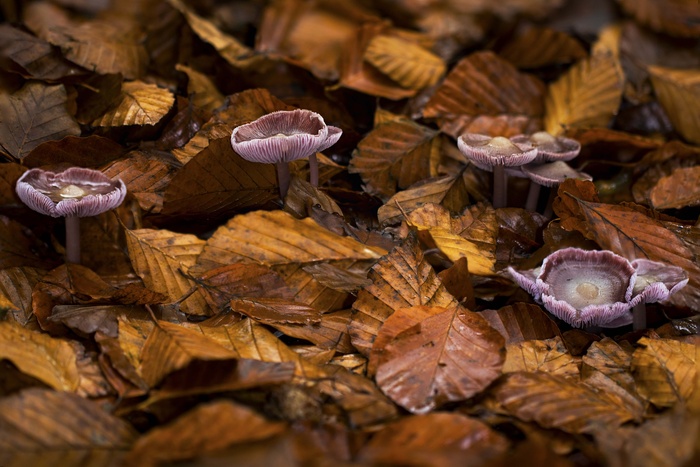
Lilac Bonnet
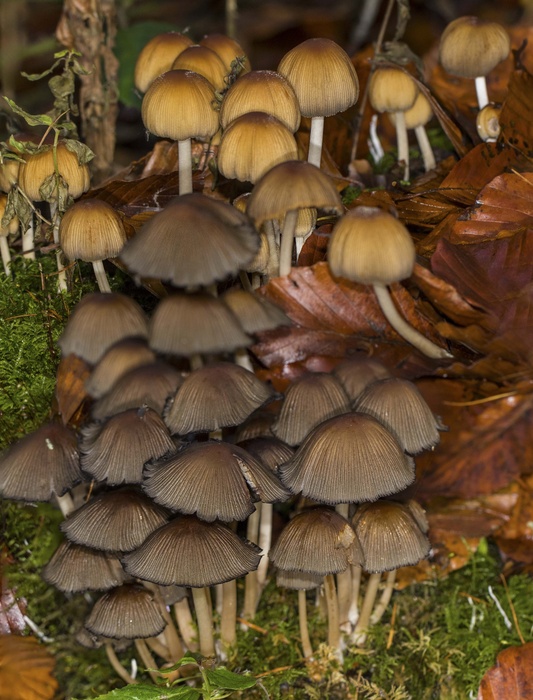
Glistening Inkcap
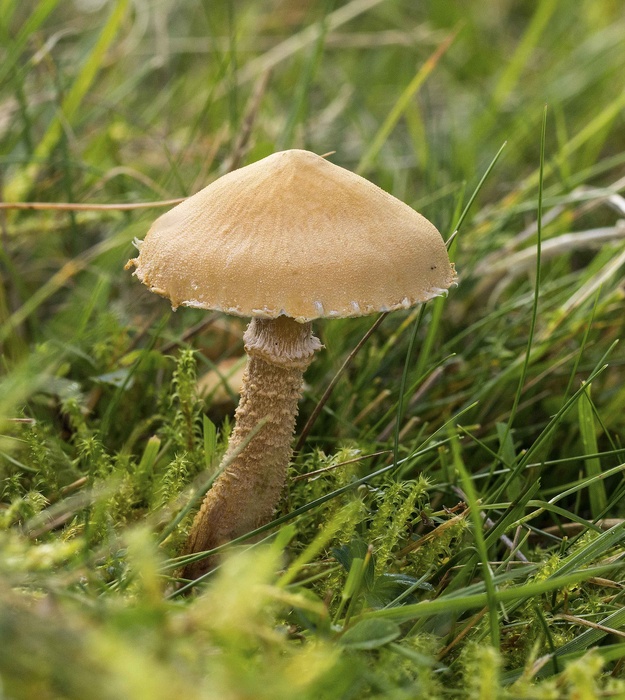
Earthy Powdercap
Dappled Webcap
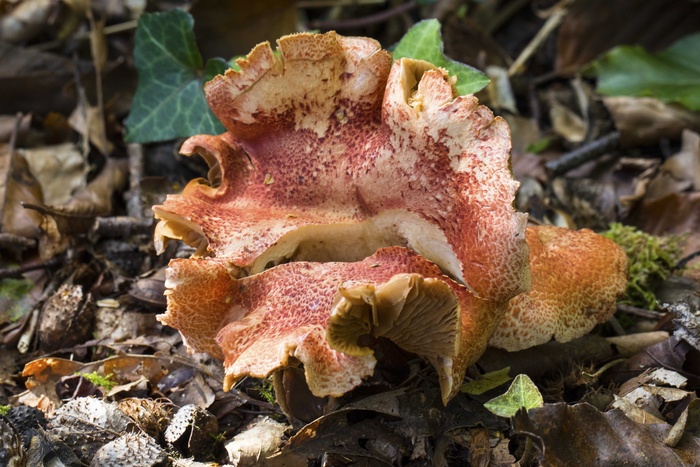
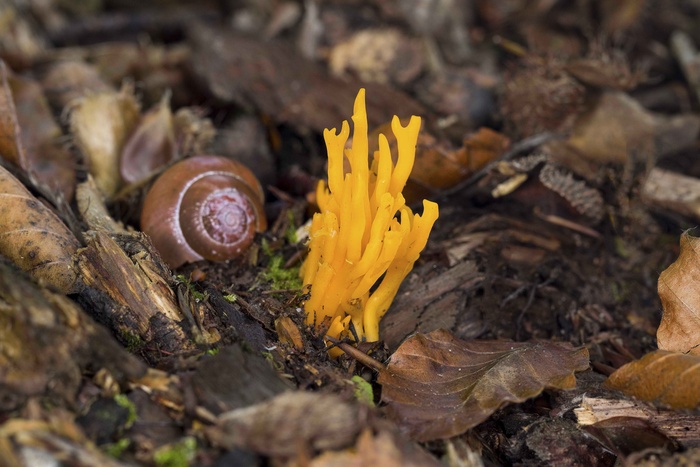
Yellow Staghorn
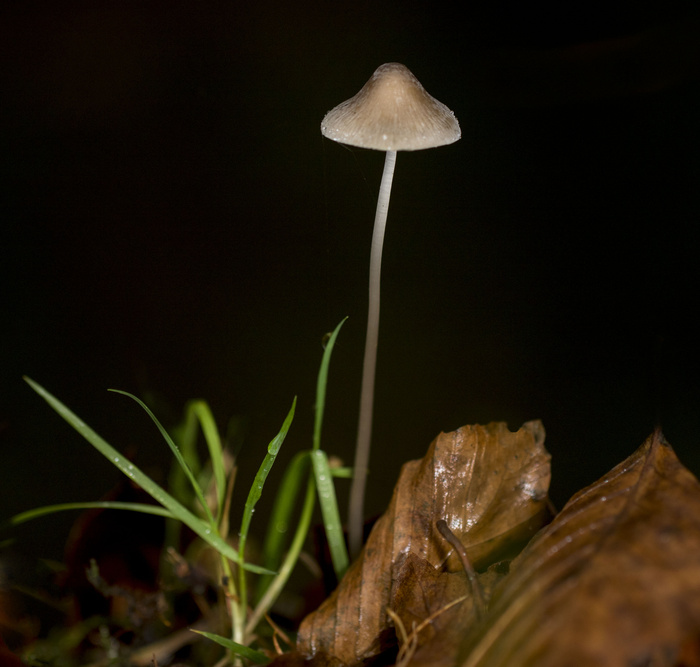
Common Bonnet
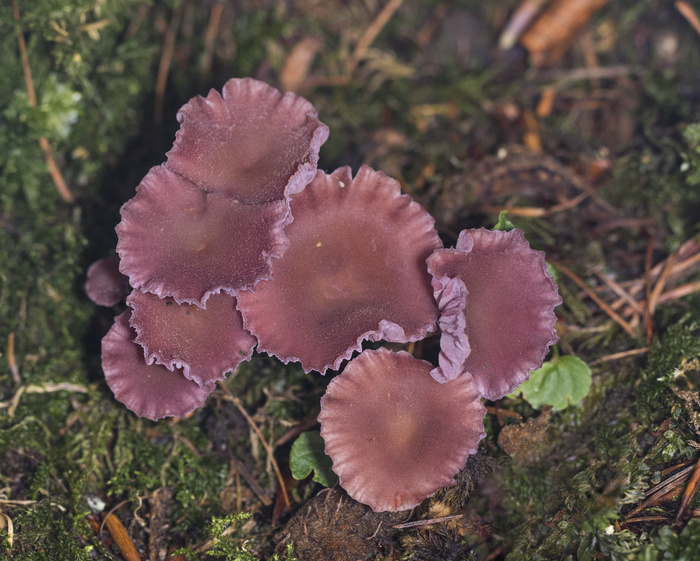
Amethyst Deceiver
In addition accidental spotting of wildlife has become a bonus - yesterday we flushed two Common Snipe literally from under our feet in a damp grassy area and last week we similarly flushed a Woodcock in a Beech wood.
However, not all fungi are welcome, particularly in your garden and about a month ago we found some Honey Fungus growing on an old stump of a shrub we had cut down.
This fungus is bad news for anybody’s garden because it can spread to other trees and shrubs very quickly. We removed it quickly and burnt it because it’s no good just pulling it up and composting it e.g. because it can still release spores and proliferate. Sometimes this removal can be too late because underground the fungus may have already begun to spread to other plants, we will have to see, I hope not!!
This week, however, the first ground frosts have begun and that has been the end of many of the autumn fungi. If we get a mild spell again some more will appear but for now we will have to wait and see.
Below are a small selection of fungi we have seen and photographed.
Raspberry Slime Mould.
Snowy Waxcap
Snakeskin Brownie
Scurfy Twiglet
Scarlet Waxcap
Sulphus Tuft amongst Wood Sorrel
Parrot Waxcap
Orange Peel Fungus
Milking Bonnet
Lilac Bonnet
Glistening Inkcap
Earthy Powdercap
Dappled Webcap
Yellow Staghorn
Common Bonnet
Amethyst Deceiver
Fly Agaric Spectacle.
24th October 2021
24th October 2021
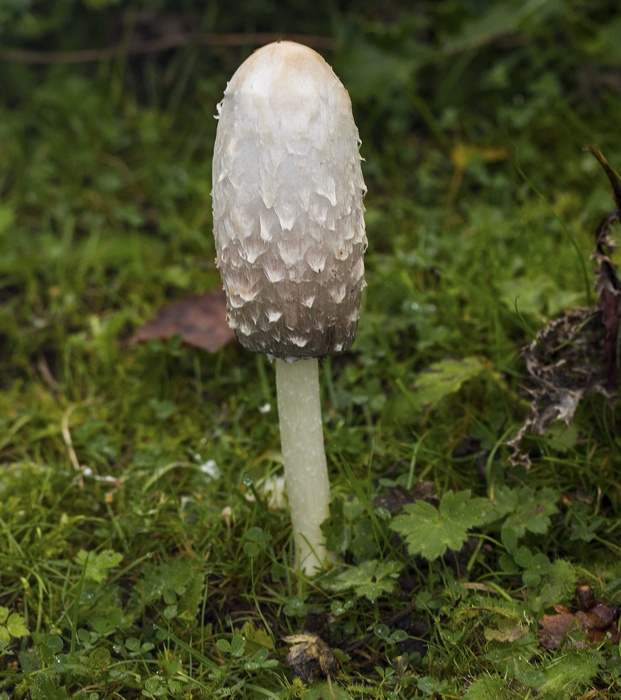
Yesterday we were out walking on another local hill, this time thankfully the weather was definitely more stable. Almost Immediately on the side of the track we came across a lovely mushroom – a Shaggy Ink Cap, I got my kit out, (including my kneeling mat and weed suppressing membrane to lie on, these are absolutely necessary for fungi photography in the autumn and winter) and laid flat on the floor - it’s awkward sometimes but the best shots are almost always from low level. We don’t see many of these fungi so it was a good start to the morning.
The open hill area we were walking on is not really that good for fungi because of the extensive bracken cover that has been allowed to proliferate – I really dislike this invasive plant and I wish something could be done about it.
However, we were heading for a local Birch copse to look for a particular fungi, the Fly Agaric. This fungi has a very close association with Birch trees and if you ever want to find these lovely fungi look for mature Birch woods.
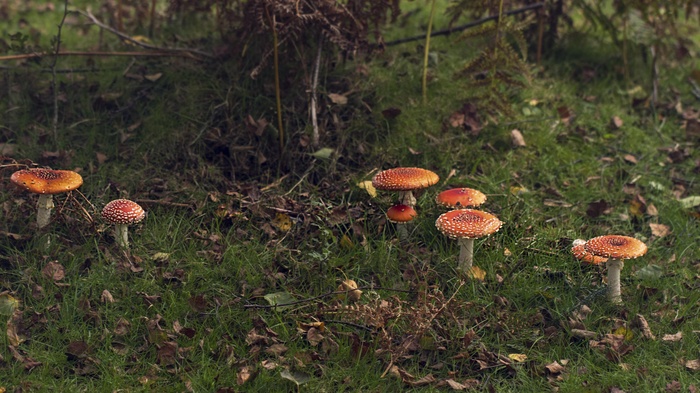
As we approached a small Birch copse we came across a nice gathering of about ten mushrooms and we thought that was great. I took a few shots and felt quite pleased.
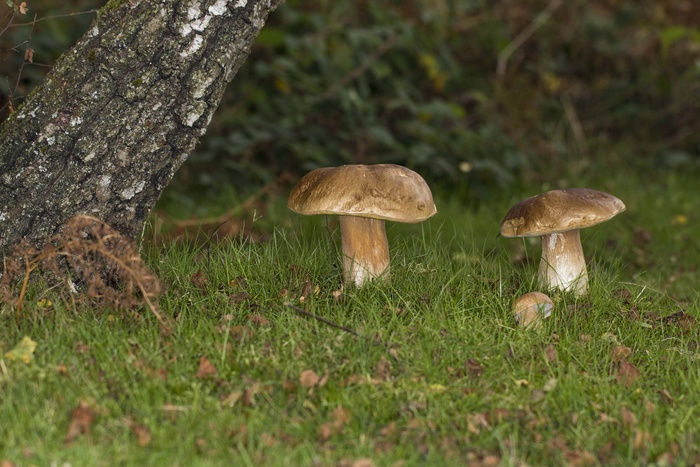
A little further on we approached the main Birch grove and we could see some Ceps or Penny Buns as they are known. I was back down on the floor again to take a shot of these nice mushrooms.
Susan had walked into the grove and suddenly she called me to come in and I could tell by her voice that it was something nice. What played out before me was a true spectacle, a huge gathering of Fly Agaric mushrooms in all stages of growth from small ones just poking through the earth.
To the classic fairy story mushroom shape.
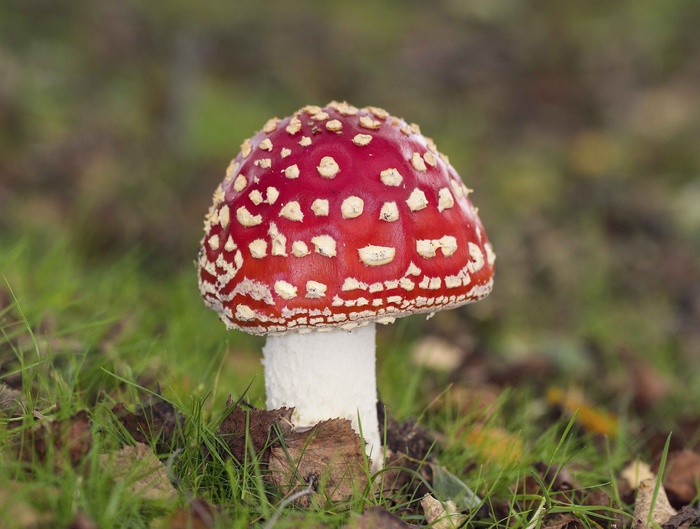
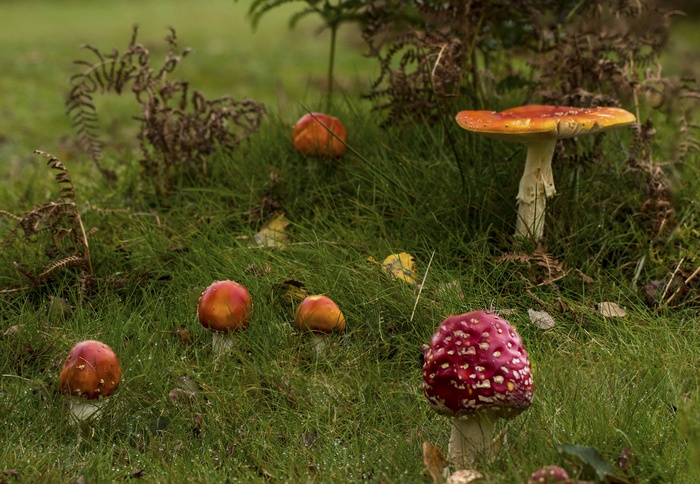
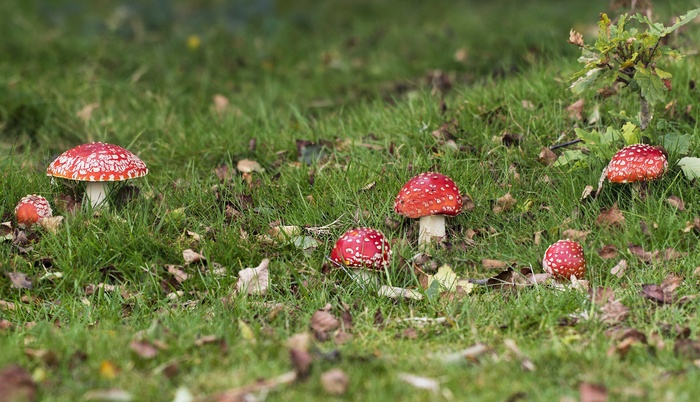
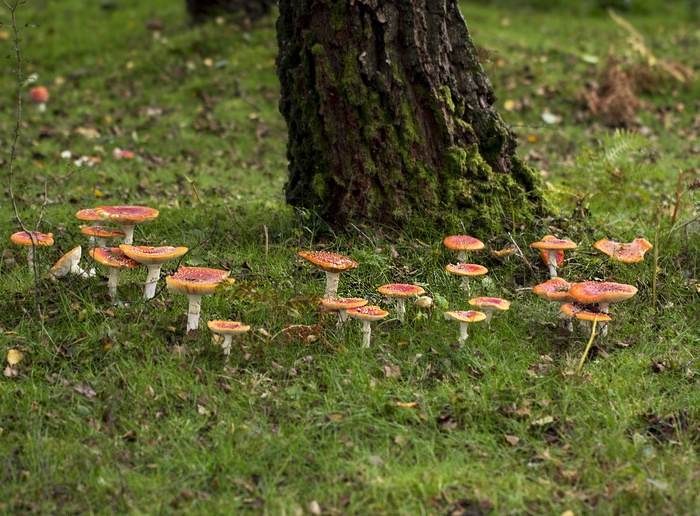
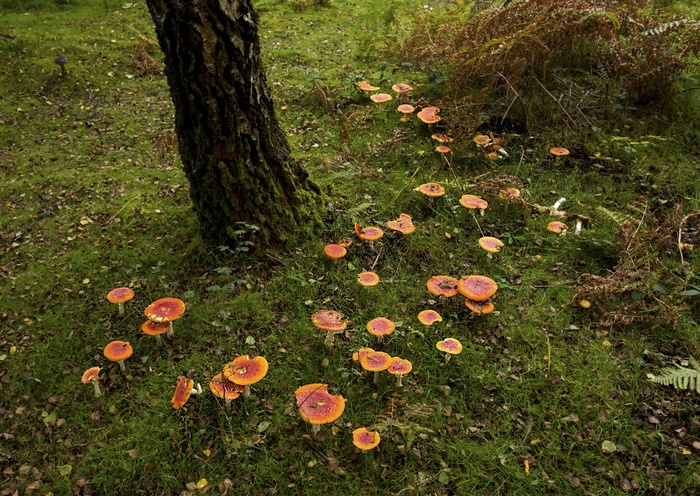
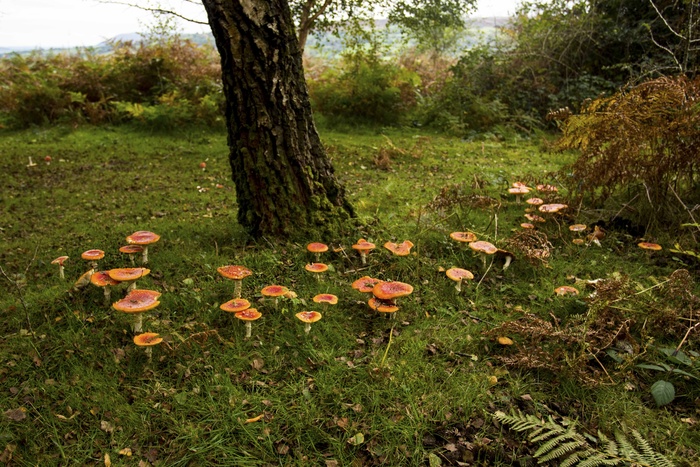
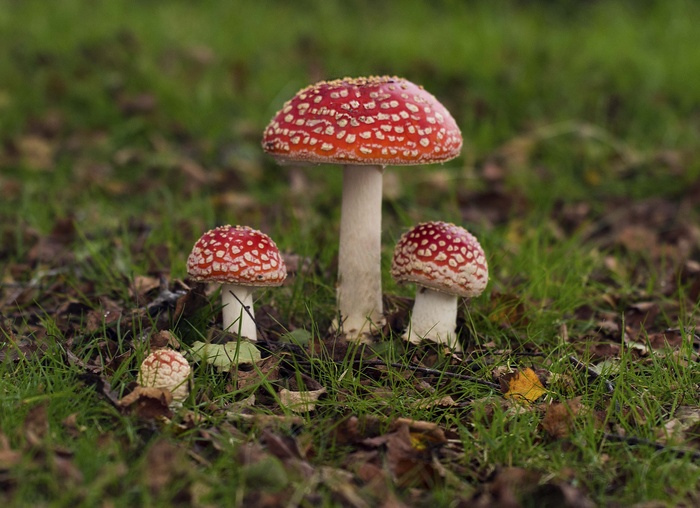
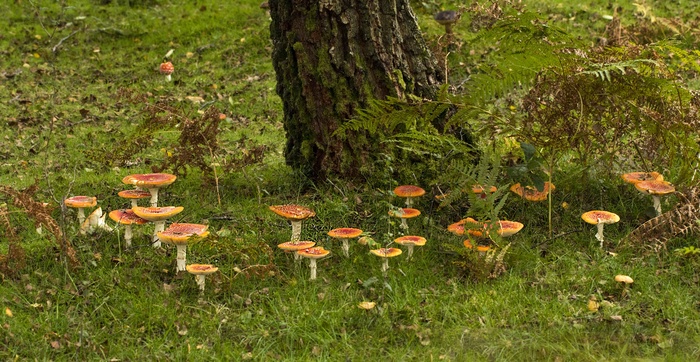
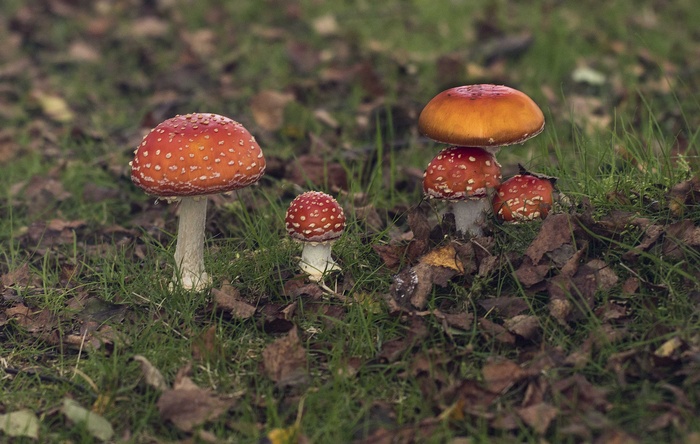
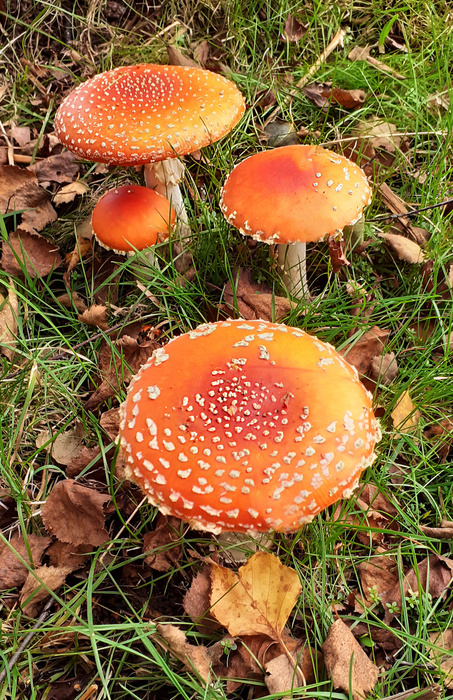
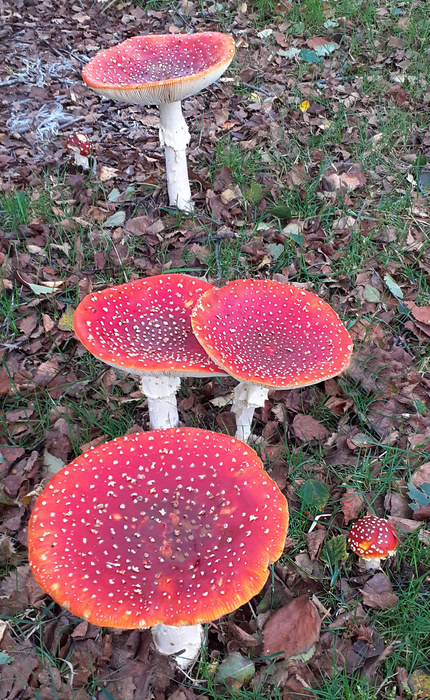
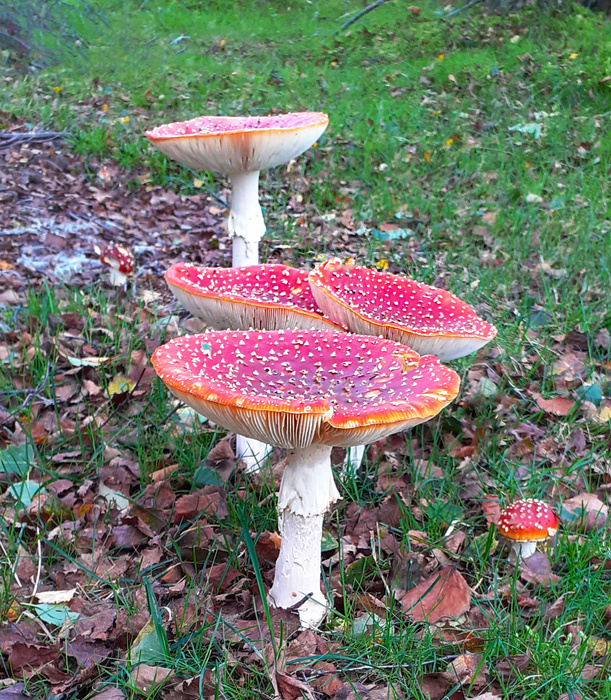
I didn’t know where to start and I took many shots of this lovely scene. This was the best part of the morning, everything else paled by comparison and was well worth getting out for – a lovely surprise.
The open hill area we were walking on is not really that good for fungi because of the extensive bracken cover that has been allowed to proliferate – I really dislike this invasive plant and I wish something could be done about it.
However, we were heading for a local Birch copse to look for a particular fungi, the Fly Agaric. This fungi has a very close association with Birch trees and if you ever want to find these lovely fungi look for mature Birch woods.
As we approached a small Birch copse we came across a nice gathering of about ten mushrooms and we thought that was great. I took a few shots and felt quite pleased.
A little further on we approached the main Birch grove and we could see some Ceps or Penny Buns as they are known. I was back down on the floor again to take a shot of these nice mushrooms.
Susan had walked into the grove and suddenly she called me to come in and I could tell by her voice that it was something nice. What played out before me was a true spectacle, a huge gathering of Fly Agaric mushrooms in all stages of growth from small ones just poking through the earth.
To the classic fairy story mushroom shape.
I didn’t know where to start and I took many shots of this lovely scene. This was the best part of the morning, everything else paled by comparison and was well worth getting out for – a lovely surprise.
Parasols in the Rain.
24th October 2021
24th October 2021
The weather in the Brecon Beacons is very unstable at the moment alternating between quite warm sunshine and vicious rain showers. On Friday of this week, however, the weather forecast predicted a fine day so Susan and I decided to walk up onto a local hillside near to where we live. The day started off bright and sunny as we walked up through an enclosed lane leading to the hill. We were on the lookout for fungi and the Jelly Ear fungus is just starting to appear on the elder trees with a few Sulphur Tufts also along the way, however, as we climbed higher Parasol mushrooms became apparent in some numbers and I stopped to take a few shots of these nice fungi.
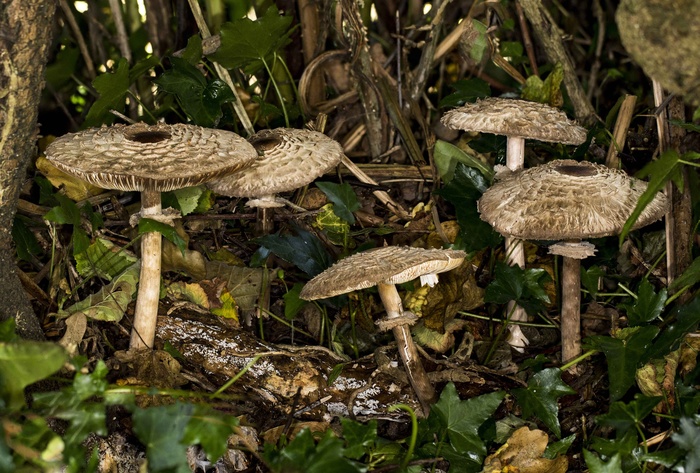
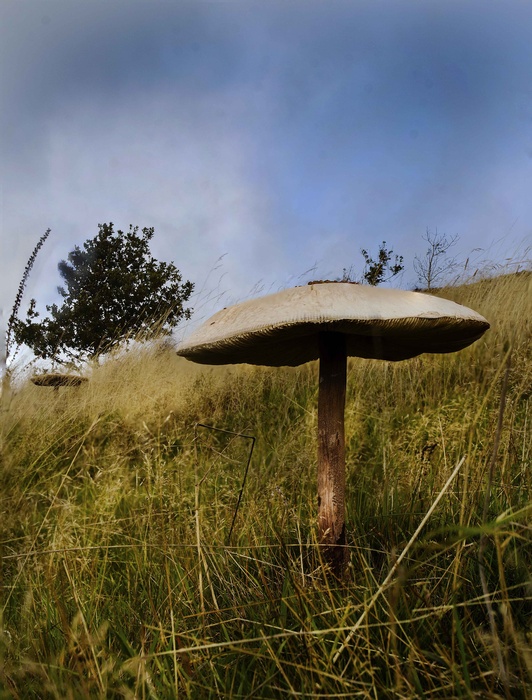
Once we broke out onto the open hill the wind started to get really gusty with a few rain drops in the air. We decided to press on because it didn’t look too much like rain but the wind was now getting quite cold. As we neared the top of the hill quite a spectacle enfolded, a huge amount of much bigger Parasol mushrooms were evident throughout the unimproved grassland. There were literally dozens, some had gone over, others were just coming through, but many were perfect specimens standing a foot high and a foot in diameter – what a sight!
Suddenly on the rocks above we saw something move and although we didn’t have binoculars we could see it was a Northern Wheatear and it stayed quite confiding as we got nearer, it was a late migrating juvenile bird probably brought down in the storm.
We walked on amongst the mushrooms taking many photographs and marvelling at the spectacle.
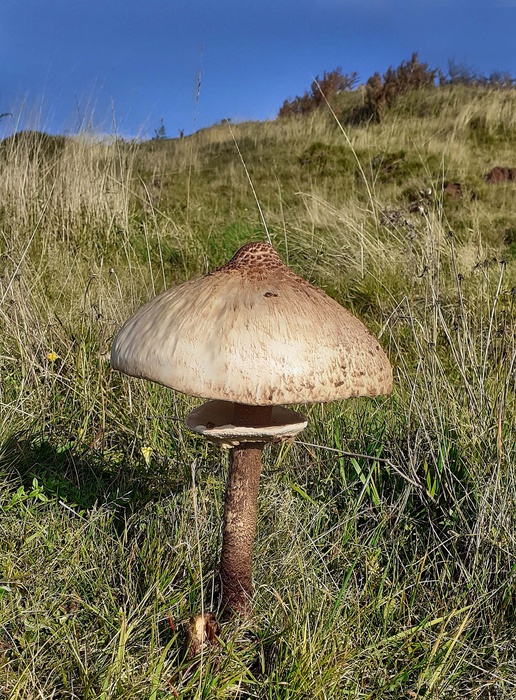
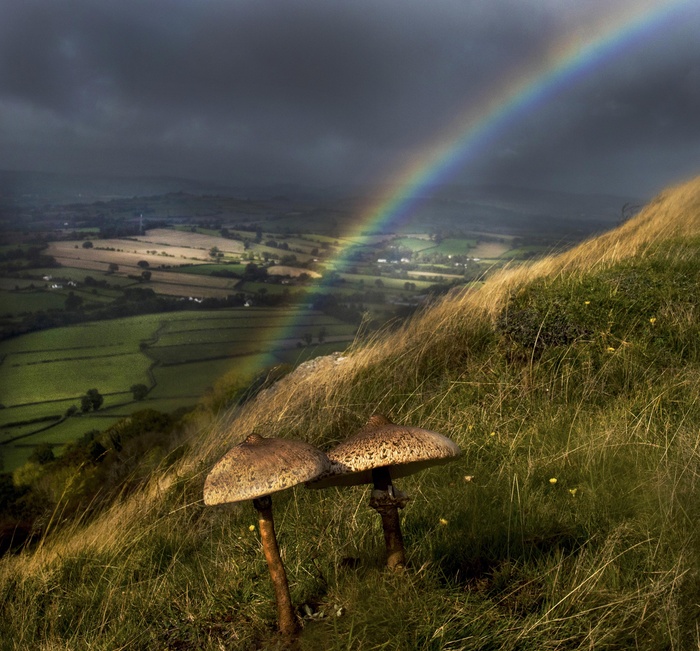
A little further on, however, on a ridge that overlooks the Usk river valley I could see two mature mushrooms in a very photographic situation. I made my way over and set a tripod and lens up to try and take a shot which involved the two mushrooms and the valley in the distance. Typically just as I was about to take a shot a vicious gust of wind toppled one of the mushrooms over but I wasn’t going to let the wind spoil the shot so I re-erected it and packed some earth around the base for support. I’m sure the weather gods didn’t want me to take this shot because before I could set up again a lashing rain shower started so we had to run and take cover behind a stone wall – first the wind and now the rain!
Ten minutes later we returned and thankfully the Parasols were still standing but just as I was about to take the shot again we could see a nice rainbow starting and showing right through my intended shot, so I waited for it to intensify but it started to rain again and we were getting wet but I waited and took the shot.
We then ran for cover behind the stone wall again. After the rain abated again we quickly made our way back down to the sanctuary of the tree lined lane. So much for the forecasted fine day, but it was worth it for the Parasol spectacle.
Once we broke out onto the open hill the wind started to get really gusty with a few rain drops in the air. We decided to press on because it didn’t look too much like rain but the wind was now getting quite cold. As we neared the top of the hill quite a spectacle enfolded, a huge amount of much bigger Parasol mushrooms were evident throughout the unimproved grassland. There were literally dozens, some had gone over, others were just coming through, but many were perfect specimens standing a foot high and a foot in diameter – what a sight!
Suddenly on the rocks above we saw something move and although we didn’t have binoculars we could see it was a Northern Wheatear and it stayed quite confiding as we got nearer, it was a late migrating juvenile bird probably brought down in the storm.
We walked on amongst the mushrooms taking many photographs and marvelling at the spectacle.
A little further on, however, on a ridge that overlooks the Usk river valley I could see two mature mushrooms in a very photographic situation. I made my way over and set a tripod and lens up to try and take a shot which involved the two mushrooms and the valley in the distance. Typically just as I was about to take a shot a vicious gust of wind toppled one of the mushrooms over but I wasn’t going to let the wind spoil the shot so I re-erected it and packed some earth around the base for support. I’m sure the weather gods didn’t want me to take this shot because before I could set up again a lashing rain shower started so we had to run and take cover behind a stone wall – first the wind and now the rain!
Ten minutes later we returned and thankfully the Parasols were still standing but just as I was about to take the shot again we could see a nice rainbow starting and showing right through my intended shot, so I waited for it to intensify but it started to rain again and we were getting wet but I waited and took the shot.
We then ran for cover behind the stone wall again. After the rain abated again we quickly made our way back down to the sanctuary of the tree lined lane. So much for the forecasted fine day, but it was worth it for the Parasol spectacle.
Bearded Tits - Don't You Love Them!
08th October 2021
08th October 2021
One morning on our way through Titchwell marsh reserve to have a look at the high tide we passed the reed bed alongside the main track and suddenly a pair of Bearded Tits appeared.
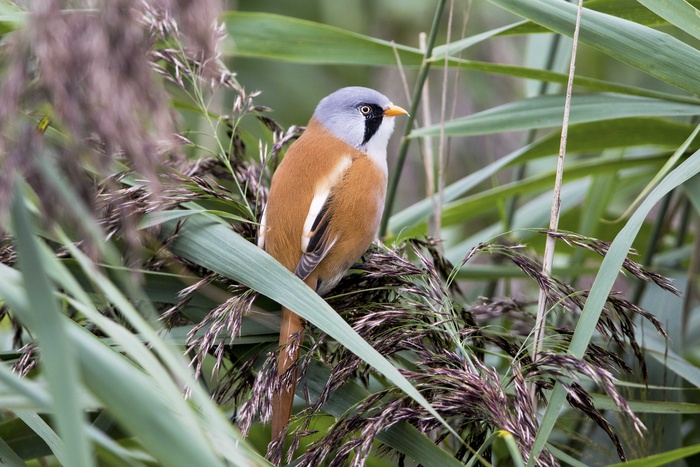
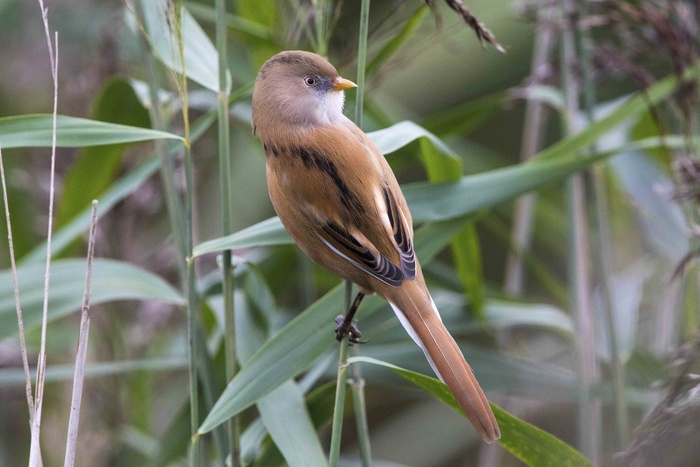
They can do this but they can also stay hidden only giving brief frustrating glimpses as they fly across the reed bed. I have many images of them from over the years but they are always nice to see. I took a quick couple of shots before catching the tide.
They can do this but they can also stay hidden only giving brief frustrating glimpses as they fly across the reed bed. I have many images of them from over the years but they are always nice to see. I took a quick couple of shots before catching the tide.
Holkam Hall - The Quiet Way.
08th October 2021
08th October 2021
Most people who visit the beautiful Holkam Hall in north Norfolk just drive up through the main entrance off the A149 coast road. This is a grand and very attractive setting with lovely flint built houses lining the drive way, impressive gates and a magnificent drive through parkland as you approach the mansion house. However, about a mile further on there is another much smaller entrance on a bad bend just before the town of Wells Next the Sea. We’ve always like this entrance because it is lined with a superb avenue of Holm Oaks.
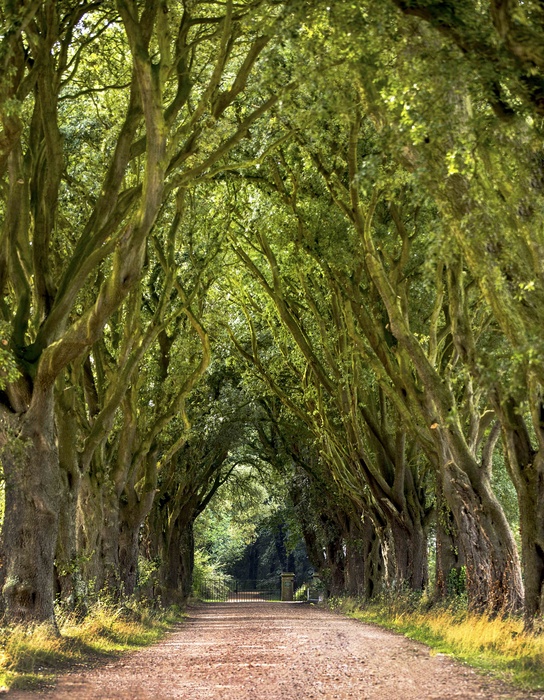
This is a great deal quieter than the main entrance. It is possible to avoid the crowds by entering this way and have a lovely quiet walk through the woods.
This is a great deal quieter than the main entrance. It is possible to avoid the crowds by entering this way and have a lovely quiet walk through the woods.
Willow Emerald Damselfly.
08th October 2021
08th October 2021
The Willow Emerald Damselfly is a very recent colonist to south east England first recorded in the early 2000’s in Suffolk. It is spreading rapidly though and is now also present in Kent, Essex, and Norfolk. It is quite a long damselfly with distinctive features that distinguishes it from the more common Emerald Damselfly. Both male and females have a very long abdomen, pale wing spots with black framing, the males are more overall green.
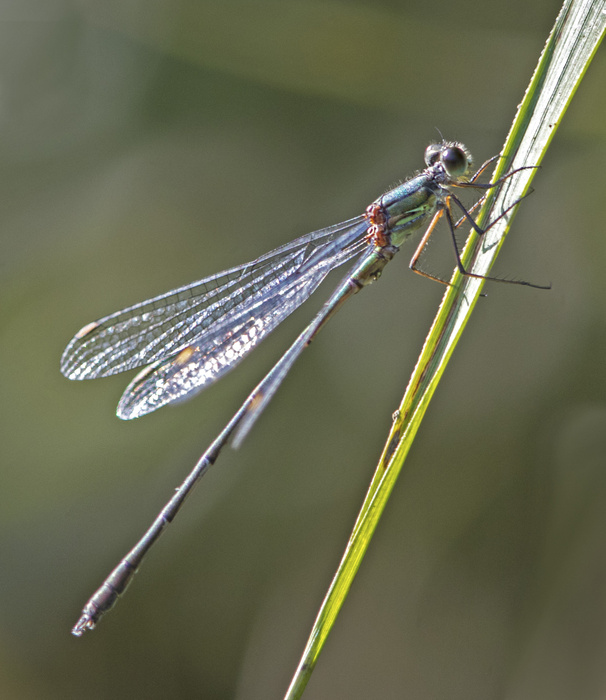
Male.
The females a more bronzy green with a dark ovipositor.
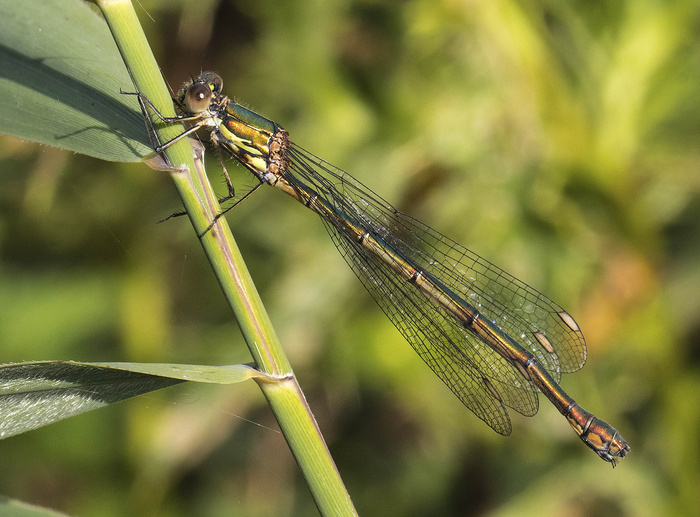
Female.
Unlike other damselflies they spend nearly all of their time in overhanging bushes of willow and alder in which the female lays her eggs.
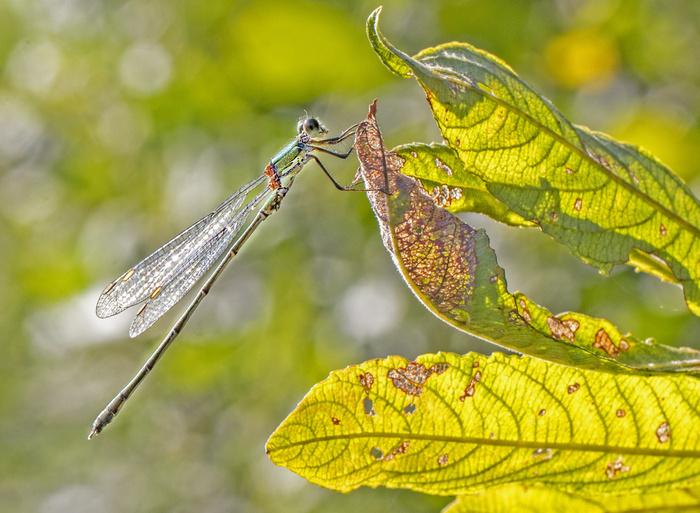
Male.
One morning we spent some time at Sculthorpe Moor nature reserve looking for them with no luck unfortunately, and the reserve was mostly restricted anyway, presumably a legacy of ‘Covid 19 ‘ so it was a waste of time really. Later we decided to try our luck at Titchwell Marsh reserve where we have also seen them briefly a couple of years ago and we were glad we did! In the corner of a boardwalk in some overhanging bushes we found several males and females. However, it’s still not easy to get clear shots of these still relatively small and flimsy insects. After a while jockeying for the best photo opportunity and with Common Darter Dragonflies landing on our hands and heads – good fun! I managed to get a couple of record shots of these lovely damselflies.
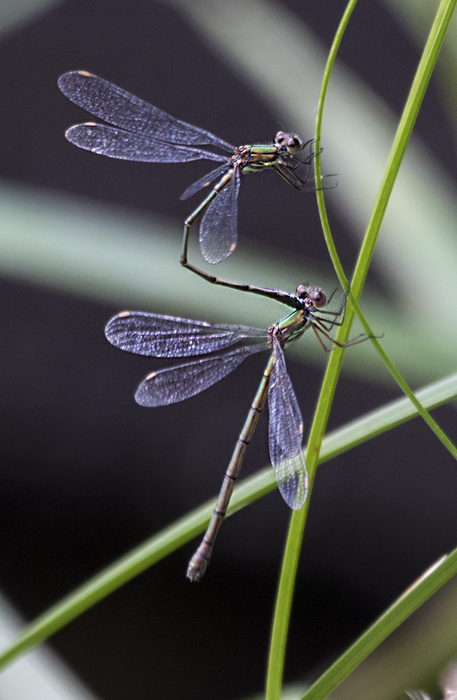
Pair mating.
A very pleasant couple of hours in glorious warm sunshine.
Male.
The females a more bronzy green with a dark ovipositor.
Female.
Unlike other damselflies they spend nearly all of their time in overhanging bushes of willow and alder in which the female lays her eggs.
Male.
One morning we spent some time at Sculthorpe Moor nature reserve looking for them with no luck unfortunately, and the reserve was mostly restricted anyway, presumably a legacy of ‘Covid 19 ‘ so it was a waste of time really. Later we decided to try our luck at Titchwell Marsh reserve where we have also seen them briefly a couple of years ago and we were glad we did! In the corner of a boardwalk in some overhanging bushes we found several males and females. However, it’s still not easy to get clear shots of these still relatively small and flimsy insects. After a while jockeying for the best photo opportunity and with Common Darter Dragonflies landing on our hands and heads – good fun! I managed to get a couple of record shots of these lovely damselflies.
Pair mating.
A very pleasant couple of hours in glorious warm sunshine.
Hunstanton Cliffs and Beach.
08th October 2021
08th October 2021
Although a very popular beach with local people you can still find a little corner to yourself at sunset. It's not too crowded at this time of day because most people like to watch the sunset from up on the road above the cliffs. Hunstanton gets good sunsets because unlike most of north Norfolk it faces west and if you are persistent and wait for the right time it can be absolutely gorgeous. There is a small pool that is always left after the tide ebbs and there are some nice rocks in the middle of it. This little pool gives a partial reflection of the cliffs in the right light.
However, the light on this little pool only lasts for about five minutes, it's when the setting sun is at a particular angle and lights up the cliffs and reflects onto the pool.
It's very fickle and transient in the extreme, so you have to be set up in the right place and be ready because it's there and gone in no time.
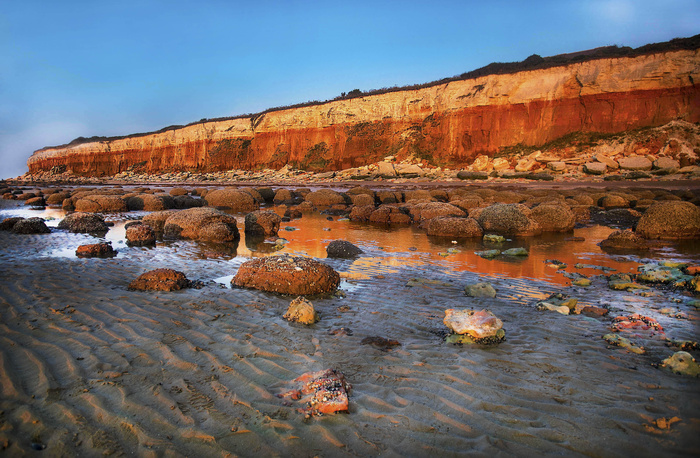
It's definitely worth the effort and is a lovely end to the day.
Canon 5Div
Canon 17-40 f4 lens
Hoya Circular Polarizer
Format Hitech 0.6 graduated filter
However, the light on this little pool only lasts for about five minutes, it's when the setting sun is at a particular angle and lights up the cliffs and reflects onto the pool.
It's very fickle and transient in the extreme, so you have to be set up in the right place and be ready because it's there and gone in no time.
It's definitely worth the effort and is a lovely end to the day.
Canon 5Div
Canon 17-40 f4 lens
Hoya Circular Polarizer
Format Hitech 0.6 graduated filter
North Norfolk - No longer such a special place.
05th October 2021
05th October 2021
Susan and I have just returned from two weeks in north Norfolk, staying in our usual place – Thornham. Thornham has become a very upmarket village over the last ten years with a huge amount of house building, unfortunately mainly second homes for presumably rich city dwellers. The scale of house building in north Norfolk in general is massive with every village you drive through exhibiting new builds. These homes are not social housing for local people, (who have been priced out long ago), these are bespoke million pound affairs. I read recently that the village of Blakeney just down the road from Thornham, a hitherto quaint and quintessential old fishing village, has now over eighty percent second homes – absolutely ridiculous!
We walked around the back of the village one evening, on what is called Thornham green, and we were staggered to see the houses that have been built since our last visit, huge glass fronted properties with balconies overlooking the marshes. I can see why people want to live there because you have easy access to wide open spaces, basically out of your front gate and on to lonely marshes and sea sides - it’s beautiful. As we walked along a marsh track we came across a property that has been erected on six huge wooded poles above a flooded area in the middle of a reed bed elevating it to give lovely views over said reed bed. There were canoes stored underneath on a platform with direct access to the water, ready to paddle away. There was also a private drive laid to provide access to what is obviously a weekend getaway – how the other half live!!
The cars that we see on the A149 north Norfolk coast road show how much money has come into the area - top end Range Rovers, BMW’s, Audi’s, Jaguar and Porsche SUV’s, Aston Martins etc. etc. We went to put fuel in the vehicle in a local garage and there were two brand new Ferraris there filling up. This coast road is not a pleasant drive with horrendous traffic clogging up the coastal villages it passes through. Bearing in mind this was the end of September I can't imagine what it was like during the summer months. Many roads leading to the sea from this road were shut because of traffic volumes, with signs saying 'Car park full'.
One day we passed through the ultimate location for the rich and famous in Norfolk – Burnham Market, nicknamed by locals as ‘Chelsea on Sea’. I have never seen this place so bursting with people, it’s always been nice with good shops and quaint pubs but now it seems that everybody wants to be there, it’s like a magnet for people visiting Norfolk. I wouldn’t shop there now because I refuse to pay these inflated prices.
Visiting Cley Next the Sea, the most famous birding destination around was not a pleasant experience, it has totally changed with no parking anywhere. Droves of people walking around and not one of them a bird watcher, not a pair of binoculars in sight! It is obvious that the birdwatcher is slowly but surely being squeezed out and we don’t like what we are seeing at all. We once thought that we would like to live in north Norfolk, but not any longer - it’s not the place we once knew!
Excerpts from our garden.
17th September 2021
17th September 2021
With the autumn rapidly approaching ironically the weather has been very pleasant and Susan and I have been sitting out in the garden in the evenings enjoying the late summer sunshine. Just before dusk the local bats start to fly around hunting for insects and a few nice moths have started to appear at this time of day.
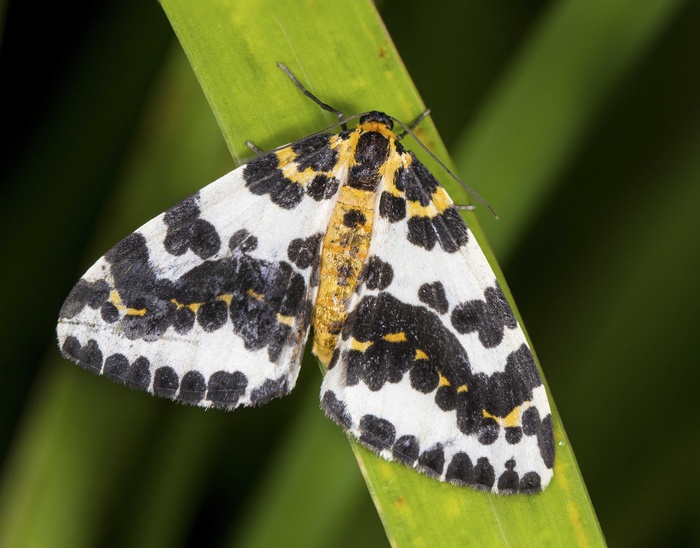
Magpie Moth.
I have cut all the straggly bits off the garden hedges after the local hedge cutter did the main cut with the machine. The hedges won’t grow any more now and the grass is not growing very much either so the garden is in pretty good order ready for the winter. Susan has picked the remaining cooking apples off the trees but the eating apples will need another fortnight before they are ready. We have been feeding any windfalls, apples or pears, to the Red Deer hinds that are in the field adjoining our garden. The trouble is every time I am in the garden they are queuing up waiting for me to feed them and they like the apples so much they are trying to push their heads through the deer fence to get them. When the apples run out they are going to be awfully disappointed!
https://youtu.be/KxQ3z76Ukss
Yesterday evening I caught a Red Underwing moth that was laid up near the roof of our house, I had to get a ladder to reach it but it was easy to get it into a plastic container without any fuss or damage to it. I then put it into a large glass case on our kitchen table and put a cloth over it. It clung to the sides and settled down quite contentedly. I got my macro lens and flash and took two images – one from underneath and one above. Both these images were taken with all the house lights off for effect. These really are a glorious moth with vivid markings.
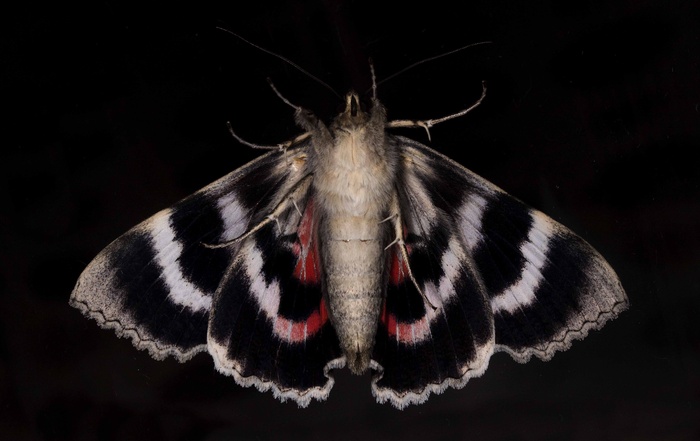
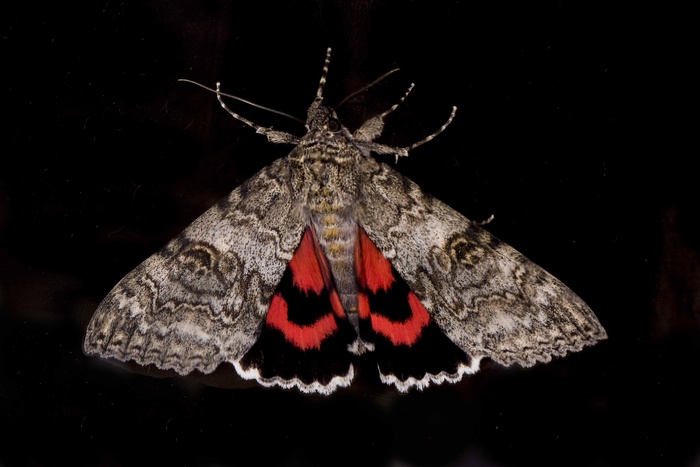
It was then quickly released where it flew strongly into an Ash tree ready for the night to come.
Canon 7D mk2.
Canon ef100 f2.8 is macro lens.
Yongnuo twin macro flash.
Handheld
Magpie Moth.
I have cut all the straggly bits off the garden hedges after the local hedge cutter did the main cut with the machine. The hedges won’t grow any more now and the grass is not growing very much either so the garden is in pretty good order ready for the winter. Susan has picked the remaining cooking apples off the trees but the eating apples will need another fortnight before they are ready. We have been feeding any windfalls, apples or pears, to the Red Deer hinds that are in the field adjoining our garden. The trouble is every time I am in the garden they are queuing up waiting for me to feed them and they like the apples so much they are trying to push their heads through the deer fence to get them. When the apples run out they are going to be awfully disappointed!
https://youtu.be/KxQ3z76Ukss
Yesterday evening I caught a Red Underwing moth that was laid up near the roof of our house, I had to get a ladder to reach it but it was easy to get it into a plastic container without any fuss or damage to it. I then put it into a large glass case on our kitchen table and put a cloth over it. It clung to the sides and settled down quite contentedly. I got my macro lens and flash and took two images – one from underneath and one above. Both these images were taken with all the house lights off for effect. These really are a glorious moth with vivid markings.
It was then quickly released where it flew strongly into an Ash tree ready for the night to come.
Canon 7D mk2.
Canon ef100 f2.8 is macro lens.
Yongnuo twin macro flash.
Handheld
In the woods again.
30th August 2021
30th August 2021
I thought I’d give the local woods one more try for fungi early this morning, there was no sunlight, it was grey skies from the word go, however, it was still a pleasant morning if a little cool. We will have to have some rain before any new fungi really get going so until then I'll wait.
Down under the canopy the light as expected was very subdued with none of the dappled sunlight we had seen over the last few days. As I strolled through the woods even though the light was quite dim something white on the trunk of a tree caught my eye and on closer inspection I could see it was a single Porcelain fungus.
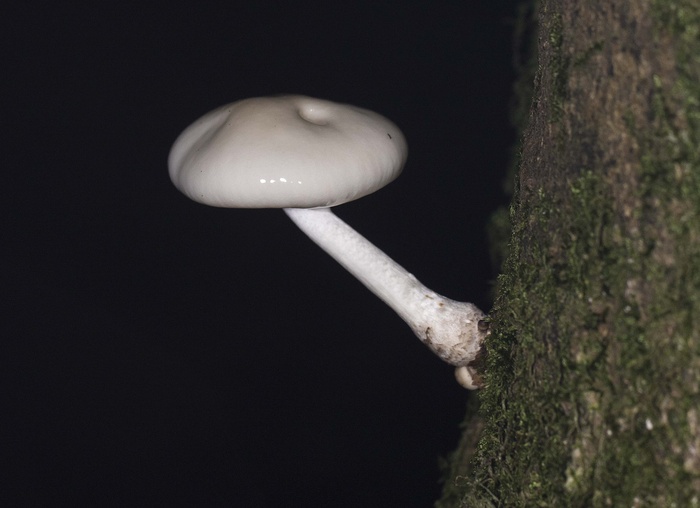
Pure white and glistening just as its name describes. I took a few shots and continued - a good start to the morning I thought.
Scanning the woodland floor there wasn’t much around, the same numerous Blusher fungi as on previous visits.
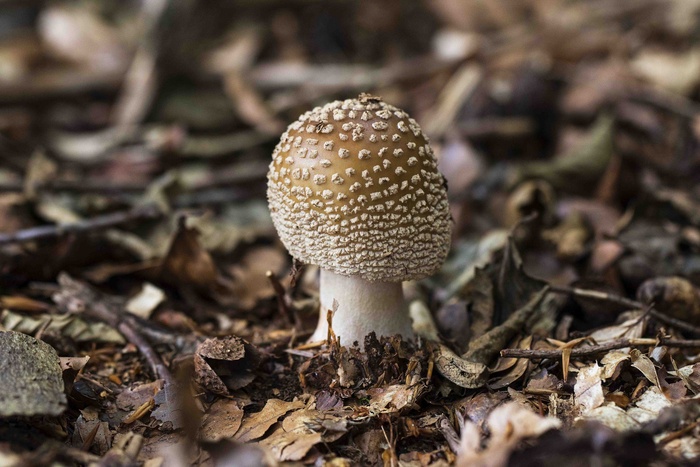
Ironically these days I now find myself looking down instead of previously looking up - for birds, how things change – that will alter when a bit of migrations starts I’m sure. I could, however, hear the call of a male Bullfinch in the distance and a party of Long Tailed Tits passed overhead calling noisily.
Further on I came across some small red fungi and I could see they were Sickners.
Very nice vivid little mushrooms and they were accompanied by a gathering of Pixie Cup fungi – nice to see together.
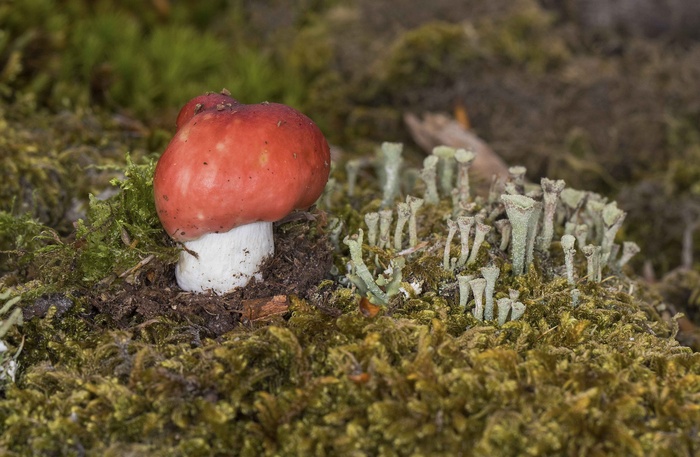
I was coming to the really dark part of the woods now and wasn’t expecting much in the gloom, but to my surprise on an old tree stump I could see a beautiful array of Sulphur Tuft mushrooms, these are quite poisonous to eat and should be left alone but still made a lovely photogenic scene. I laid out my weed suppressant and kneeling mat, (previous blog), and set up my little LED light on the mini tripod. This little LED really lifted the scene and I can’t recommend these lights highly enough and along with my Yongnuo twin macro flash I took a few shots of this delightful scene.
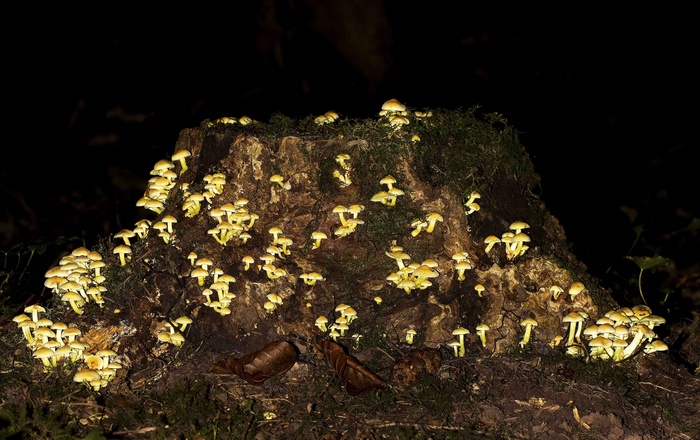
In these woods, in what was real gloom, without extra light it would not have been possible to get any sort of shot. It turned out to be a quite productive morning after all, grey clouds or not.
Down under the canopy the light as expected was very subdued with none of the dappled sunlight we had seen over the last few days. As I strolled through the woods even though the light was quite dim something white on the trunk of a tree caught my eye and on closer inspection I could see it was a single Porcelain fungus.
Pure white and glistening just as its name describes. I took a few shots and continued - a good start to the morning I thought.
Scanning the woodland floor there wasn’t much around, the same numerous Blusher fungi as on previous visits.
Ironically these days I now find myself looking down instead of previously looking up - for birds, how things change – that will alter when a bit of migrations starts I’m sure. I could, however, hear the call of a male Bullfinch in the distance and a party of Long Tailed Tits passed overhead calling noisily.
Further on I came across some small red fungi and I could see they were Sickners.
Very nice vivid little mushrooms and they were accompanied by a gathering of Pixie Cup fungi – nice to see together.
I was coming to the really dark part of the woods now and wasn’t expecting much in the gloom, but to my surprise on an old tree stump I could see a beautiful array of Sulphur Tuft mushrooms, these are quite poisonous to eat and should be left alone but still made a lovely photogenic scene. I laid out my weed suppressant and kneeling mat, (previous blog), and set up my little LED light on the mini tripod. This little LED really lifted the scene and I can’t recommend these lights highly enough and along with my Yongnuo twin macro flash I took a few shots of this delightful scene.
In these woods, in what was real gloom, without extra light it would not have been possible to get any sort of shot. It turned out to be a quite productive morning after all, grey clouds or not.
Fungi photography in the woods.
28th August 2021
28th August 2021
Susan and I were out walking in a mixed woodland this week looking in particular for fungi because the birding in the Brecon Beacons is pretty flat at the moment and the Odonata have stalled in the cool weather we have been experiencing. We have developed more than a passing interest in this fascinating subject and I can only see it growing even more in the future. I only wish we had started earlier because the photographic opportunities are many and varied. The only trouble is you have to get flat on the ground for most of the shots. In order to do this I carry a large sheet of weed suppressant to lie on and a garden kneeling pad for comfort, people may laugh but getting decent images involves getting into the most contorted positions and I have had some funny looks from people passing by. My macro lens is getting far more use than any other lens during this time and it is getting some decent results. I am using my Yongnuo twin macro flash unit with this lens and a little LED light on a mini flexible ‘Gorilla’ type tripod for extra light, (see review on the Yongnuo flash in the equipment reviews section on the front page of this site). – Well worth the money! We have seen a good variety of fungi this week and the main season hasn’t started yet so many more to find we hope.
Below are a few of the many we have found.
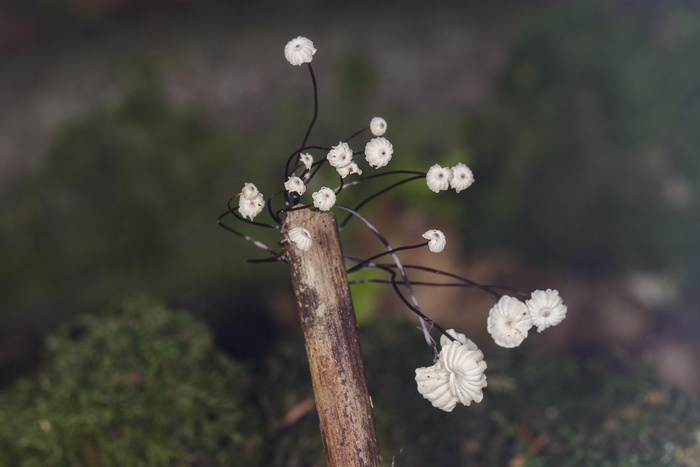
Collared Parachute Fungi - pretty and delicate growing on wood in leaf litter.
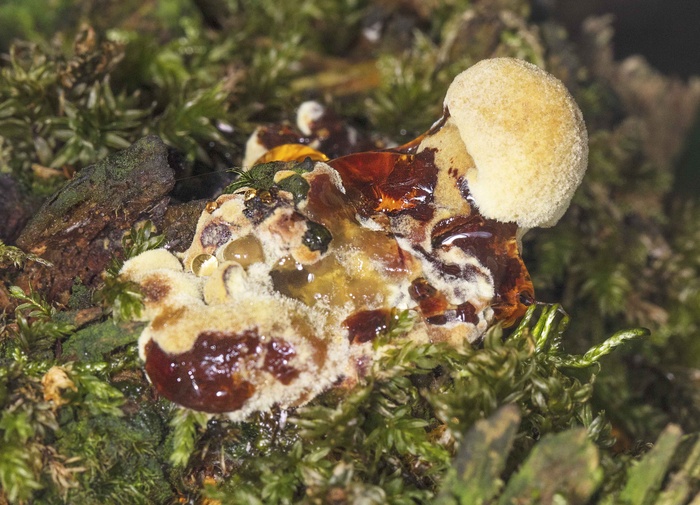
Alder Bracket Fungus - very unusual looking, like some exotic dessert.
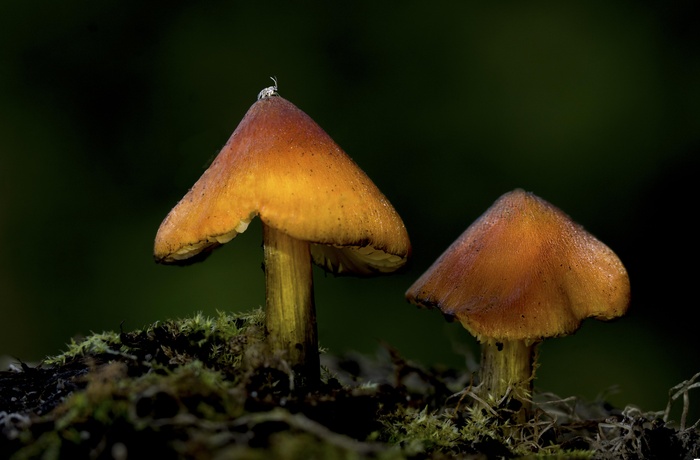
Witches Hat fungi - as I was taking this shot a tiny insect landed on one of the mushrooms, it was only about two millimetres in length - remarkable!
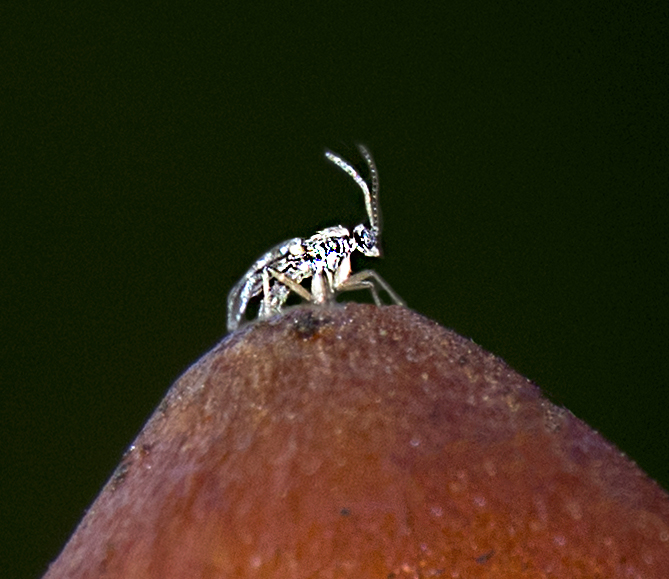
Here it is blown up - I've no idea what it is.
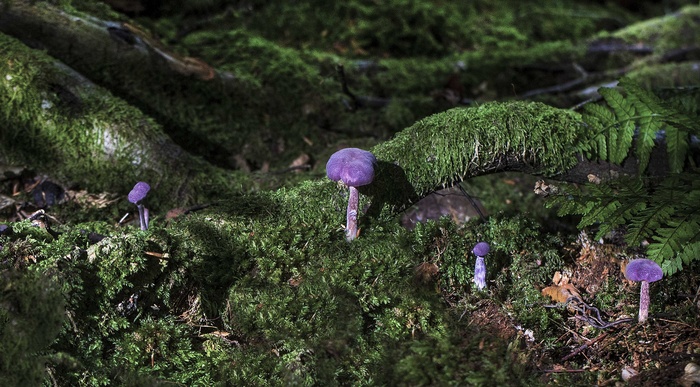
Amethyst deceivers found in what looked like a fairies glen - lovely setting to find.
Below are a few of the many we have found.
Collared Parachute Fungi - pretty and delicate growing on wood in leaf litter.
Alder Bracket Fungus - very unusual looking, like some exotic dessert.
Witches Hat fungi - as I was taking this shot a tiny insect landed on one of the mushrooms, it was only about two millimetres in length - remarkable!
Here it is blown up - I've no idea what it is.
Amethyst deceivers found in what looked like a fairies glen - lovely setting to find.